

Air filtration is one of the most important—and most overlooked—parts of maintaining industrial machinery and power plant equipment. When air filters become dirty or clogged, the impact on performance can be significant. Power plants, gas turbines, compressors, HVAC systems, and other industrial machines depend on steady, clean airflow. Anything that restricts that airflow or allows contaminants to enter can lead to costly operational issues.
At ATTS Inc., we engineer advanced filtration solutions designed to keep machines running at peak efficiency. Understanding the risks associated with clogged air filters is the first step toward preventing downtime and protecting your equipment.
Air filters collect the dust, debris, moisture, and contaminants pulled in through a machine’s air intake system. Over time, those contaminants build up and reduce the filter’s ability to let clean air pass through. Unlike residential filters, industrial filters manage thousands of cubic meters of air every hour—meaning they can clog much faster in harsh environments.
In earlier guides such as What Air Filters Do and How They Work, we explored the basics of filtration. This article focuses on the real-world consequences of poor filtration or delayed maintenance.

One of the earliest signs of a clogged air filter is a reduction in airflow. When the filter becomes packed with dust and debris, the machine has to work harder to pull in air. This leads to a condition known as pressure drop, which affects:
A power plant experiencing airflow restrictions will immediately notice reduced megawatt performance. As pressure drop increases, energy consumption goes up and efficiency declines.
Dirty air filters force turbines and engines to operate under strain. With restricted airflow, the system may burn more fuel to compensate. Over time, this increase in fuel usage can significantly impact operational costs—especially in gas-fired turbines and diesel generators.
Poor airflow also disrupts the combustion process, leading to incomplete burning of fuel. This creates additional problems, such as carbon buildup and increased emissions.
When an air filter can no longer trap fine particles, contaminants pass directly into the machinery. This is where severe damage can occur.
Compressor fouling is one of the most common—and most expensive—results of poor filtration. When particles accumulate on compressor blades:
In extreme cases, contaminants can lead to blade erosion, corrosion, and premature component failure.
Many operators discover these issues only after noticing a decline in performance, which is why maintaining clean filtration is essential. As explored in Different Types of Air Filters Used in Power Plants and Industry, selecting the right filtration technology for each environment is one of the most effective ways to prevent these problems before they occur.
Poor airflow also disrupts the combustion process, leading to incomplete burning of fuel. This creates additional problems, such as carbon buildup and increased emissions.
Industrial machines depend on precise airflow ratios to maintain safe operating temperatures. Reduced airflow caused by clogged filters can result in:
Overheating also affects bearings, lubricants, sensors, and seals. In gas turbines, excessive heat can reduce the lifespan of hot-section components and drive up maintenance costs dramatically.
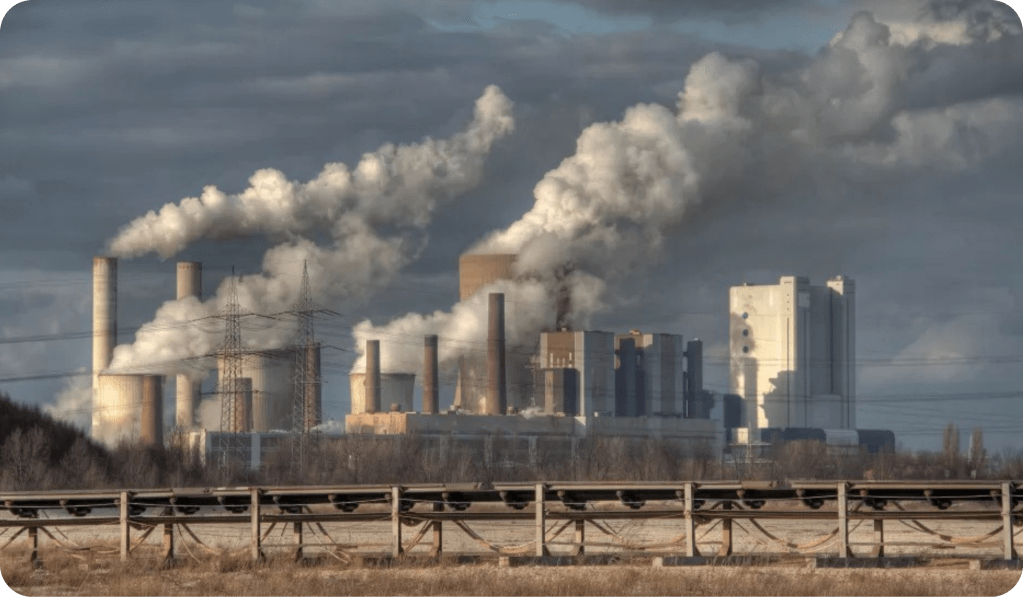
Dirty filters not only harm the equipment—they also impact environmental performance. Restricted airflow affects combustion efficiency, leading to higher levels of:
Facilities operating under strict environmental regulations must maintain clean filtration systems to stay compliant and avoid penalties.
Perhaps the most costly consequence of clogged air filters is unscheduled downtime. When machines run under stress for long periods, they eventually fail—often without warning.
Dirty filters lead to:
For power plants, downtime doesn’t just cost money—it interrupts energy availability and reduces reliability. This is why ATTS Inc. emphasises proper filtration planning and high-efficiency filter technology designed for industrial environments.
When contaminants enter the airflow stream or when equipment runs hotter than intended, the mechanical life of the machine decreases. Over the long term, poor filtration can shorten the life expectancy of:
Investing in high-quality filtration is far more cost-effective than repairing or replacing major components.