Exploring the Use of Electro-Hydraulic Control (EHC) Fluids in Modern Power Stations

Electro-Hydraulic Control (EHC) Fluids in Modern Power Stations

In the world of modern power stations, precision, and control are not just requirements but necessities. This has brought Electrohydraulic Control (EHC) systems to the forefront, particularly EHC fluids, which are vital chemicals in the specialty chemicals industry. This blog post by ATTS Inc. examines their critical role and impact, complemented by essential data and debunked myths.

The Crucial Role of EHC Fluids

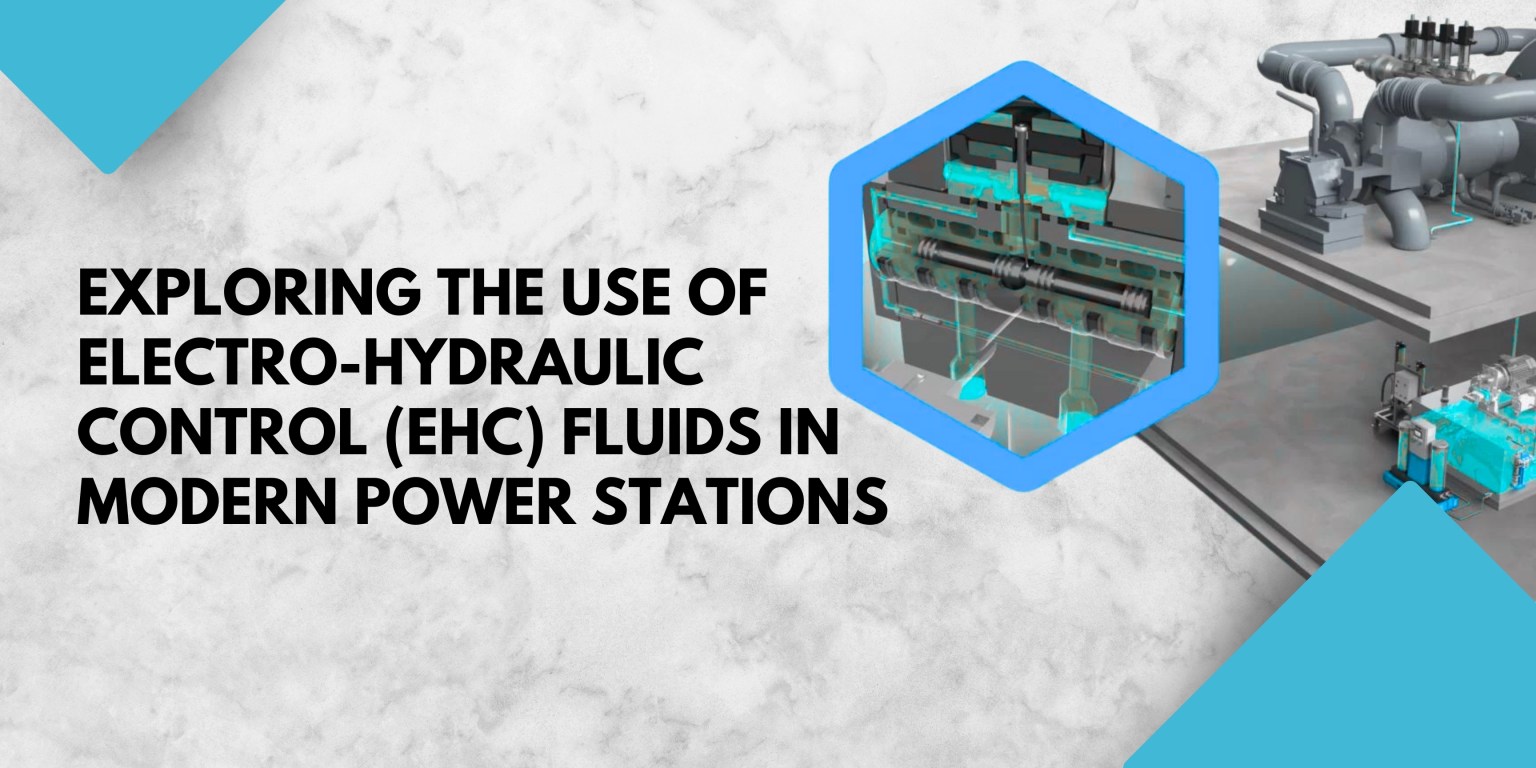
EHC fluids are designed to meet the exacting demands of power generation. Employed within electro-hydraulic control units and valves, these fluids ensure the precise operation of machinery, which is crucial for effective power station management. Their specialized formulations maintain optimal hydraulic pressure and flow, ensuring system responsiveness and reliability. Additionally, these fluids are critical in reducing the risk of system failures due to their high-performance lubrication properties, making them indispensable in power station operations.

Myth V/S Fact About EHC Fluids

Myth V/S Fact About EHC Fluids

Environmental and Industry Impact

The specialty chemicals industry, led by companies like ATTS Inc., has been pivotal in evolving EHC fluid technology. Innovations aimed at reducing environmental impact while enhancing efficiency are becoming standard. This progress is integral to meeting the stringent environmental standards imposed on the power generation sector today.

Here's a graph table layout based on the advancements in EHC fluid technology over the past decade:

This line chart shows a steady increase in the use of biodegradable materials and a corresponding reduction in harmful chemicals in EHC fluids from 2010 to 2020, demonstrating a significant trend towards more environmentally friendly formulations.

Challenges and Advancements

Handling and environmental impact are among the challenges faced when using specialty chemicals like EHC fluids. The industry’s response has been to innovate with biodegradable and less toxic alternatives, which are gradually taking hold. These sustainable solutions are critical as they help align industry practices with global environmental protection standards.

Future Directions

The specialty chemicals industry continues to advance, driven by the need for more efficient and environmentally friendly solutions. Ongoing research is likely to yield even more effective EHC fluids, underlining their importance in energy production.


In conclusion, the use of EHC fluids in power stations, as demonstrated by ATTS Inc., is a prime example of how specialized chemical solutions can significantly enhance the efficiency and environmental footprint of energy generation. Their continued evolution promises even greater achievements in power station technology and operational excellence.

Frequently Asked Questions:

What is electro-hydraulic fluid?
Electro-hydraulic fluid is a specialized hydraulic fluid designed for use in electro-hydraulic control systems. It enhances system performance by providing stable, reliable hydraulic pressure and flow, which is crucial for precise machinery operations.

What is electro-hydraulic control?
Electro-hydraulic control refers to systems that combine electrical and hydraulic mechanisms to operate machinery. These systems allow for precise control over hydraulic actuators, improving accuracy and responsiveness in applications like power generation and manufacturing.

What are the advantages of electro-hydraulics?
Advantages of electro-hydraulics include high precision, enhanced control, and greater flexibility in operation. These systems can be finely tuned to specific tasks, making them ideal for complex industrial applications requiring meticulous movement and force management.


What are specialty chemicals?
Specialty chemicals are chemical products that provide a wide range of effects on which many industries depend. They are typically formulated for specific functions in manufacturing processes, including additives for plastics and coatings or ingredients in complex chemical reactions.

How do electro hydraulic systems impact energy efficiency?
Electrohydraulic systems can significantly impact energy efficiency by reducing the amount of energy needed to perform tasks. They achieve this through more precise control of machinery, minimizing wastage, and optimizing performance, thereby lowering energy consumption in industrial settings.