Top 5 Signs Your Gas Turbine Needs Immediate Maintenance

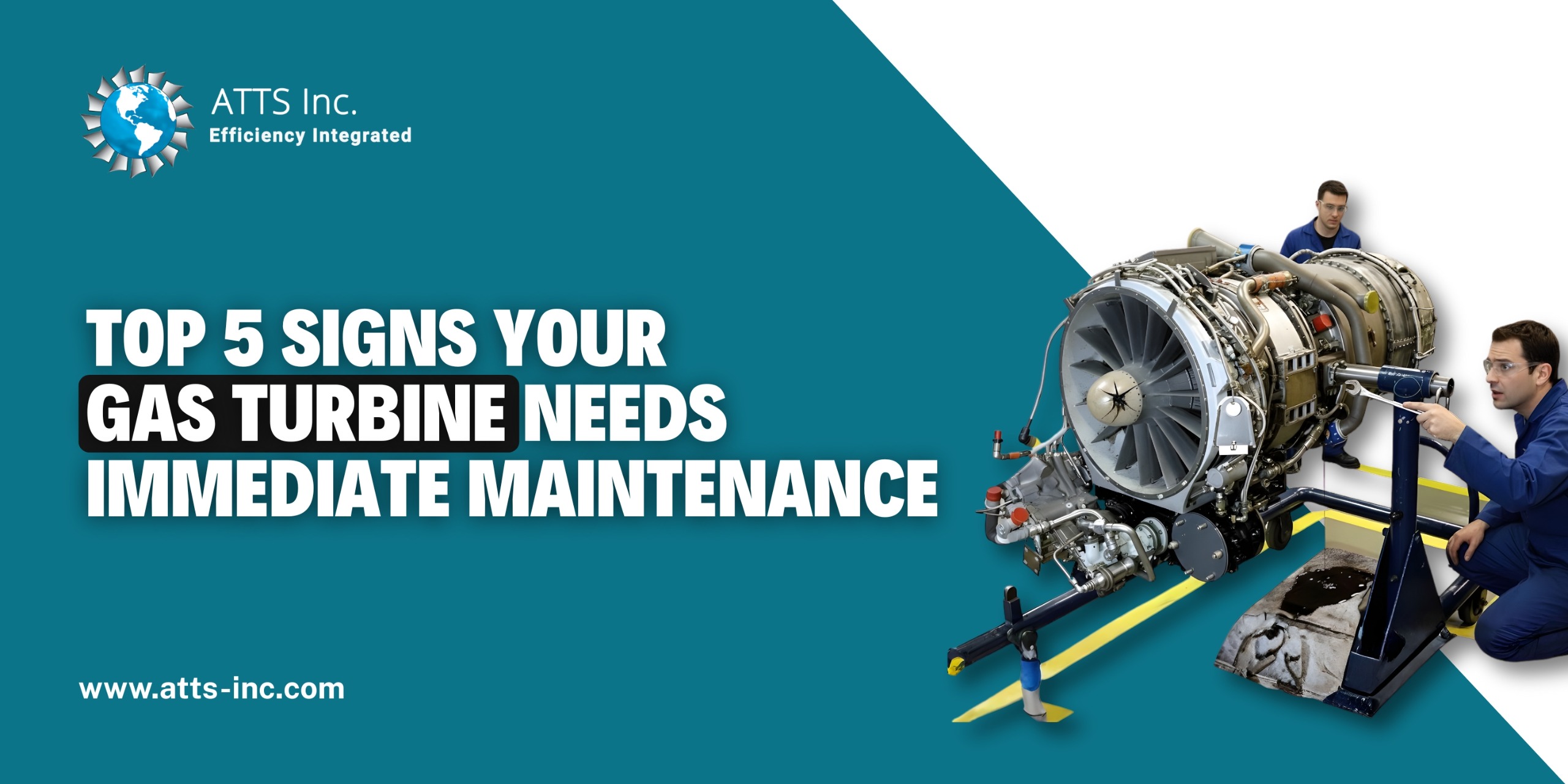
ATTS Inc. graphic showing technicians inspecting a gas turbine with text about signs it needs immediate maintenance

Gas turbines are critical assets in power generation and industrial operations. Operating under extreme temperatures, pressures, and rotational speeds, even minor abnormalities can quickly escalate into major failures. In most cases, gas turbines do not fail without warning—they show clear signs that maintenance is urgently required.

Recognizing these warning signs early helps prevent forced outages, reduce repair costs, and protect long-term equipment reliability.

Below are the top five signs that demand prompt attention.

1. Unusual Vibration or Noise

What It Means

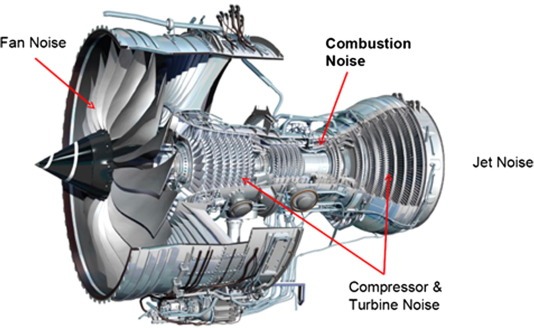
Gas turbines are precision-balanced machines. Any increase in vibration levels or unusual noise is a strong indicator of mechanical distress.

Common Causes

  • Bearing wear or failure
  • Rotor imbalance
  • Shaft misalignment
  • Blade damage

Why It Matters

Unchecked vibration accelerates wear across multiple components, turning minor issues into costly failures.

2. Drop in Power Output or Efficiency

What It Means

A noticeable decline in power output or thermal efficiency often signals underlying performance issues—sometimes without triggering alarms.

Typical Causes

  • Compressor fouling
  • Turbine blade erosion or deposits
  • Air inlet or exhaust restrictions
  • Combustion inefficiencies

Key Fact

📉 A 2–3% loss in gas turbine efficiency can increase annual fuel costs by hundreds of thousands of dollars, depending on turbine size and operating hours.

3. Abnormal Exhaust Gas Temperature (EGT)

What It Means

Exhaust Gas Temperature is a critical indicator of turbine health. Sudden spikes, uneven EGT spread, or sustained high temperatures indicate internal problems.

Possible Issues

EGT Behavior

Potential Risk

Sudden spike

Fuel or combustion fault

Uneven temperature spread

Burner or liner damage

Sustained high EGT

Turbine blade overheating

Why Immediate Action Is Critical

Operating at elevated EGT levels significantly reduces the life of hot-gas-path components and increases the risk of forced outages.

4. Lube Oil Contamination or Degradation

Lube Oil Contamination or Degradation

What It Means

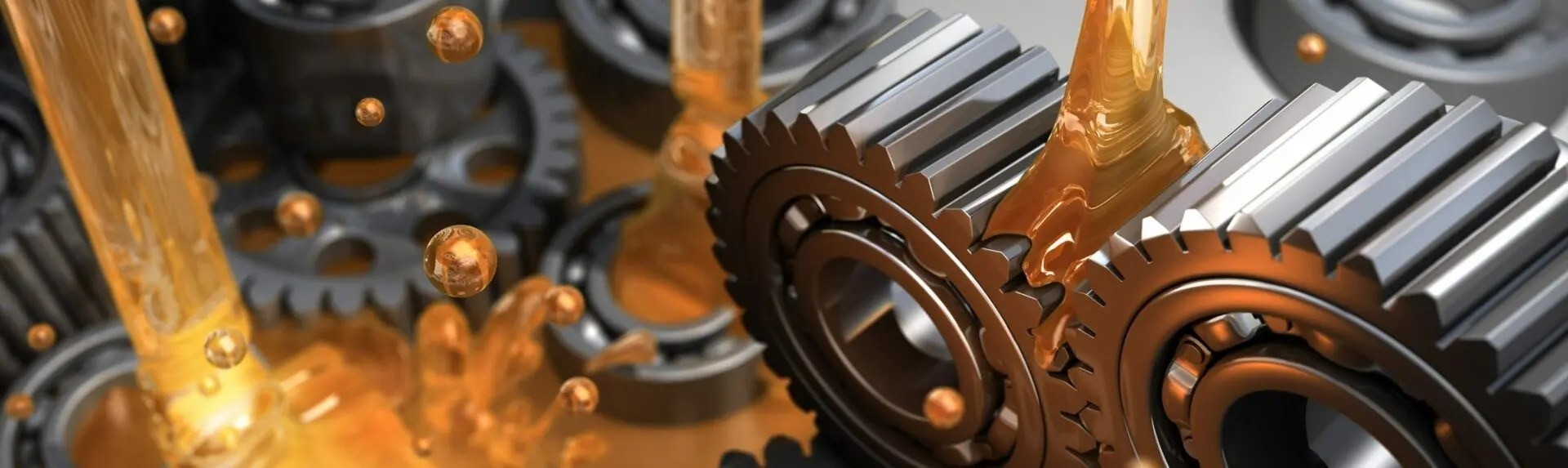
The lubrication system is the turbine’s lifeline. Changes in lube oil condition often provide the earliest indication of internal wear or system issues.

Warning Signs

  • Metal particles detected in oil analysis
  • Water or fuel contamination
  • Increased viscosity or oxidation
  • Abnormal oil temperature or pressure

Key Fact

🛢️ More than 70% of bearing failures are linked to lubrication-related issues, many of which are detectable through routine oil monitoring.

🔧 ATTS Reliability Insight

ATTS Inc. provides professional lube oil monitoring, filtration, and condition assessment services, helping gas turbine operators identify lubrication-related risks before failures occur.

5. Frequent Alarms, Trips, or Startup Issues

What It Means

Repeated alarms or trips are not nuisance events—they indicate unresolved problems within the turbine or its control systems.

Common Causes

  • Faulty sensors or actuators
  • Control system malfunctions
  • Fuel system irregularities
  • Electrical or instrumentation issues

Ignoring recurring alarms increases the likelihood of unplanned shutdowns and safety risks.

Why Acting Early Makes a Difference

Proactive Maintenance

Reactive Maintenance

Planned inspections

Emergency shutdowns

Lower repair costs

Major component replacement

Improved safety

Higher operational risk

Extended equipment life

Accelerated wear

How ATTS Supports Gas Turbine Reliability

ATTS Inc. delivers specialized gas turbine maintenance and reliability solutions designed to detect problems early and optimize performance.

ATTS Services Include:

  • Gas turbine inspection and maintenance support
  • Lube oil monitoring and reconditioning
  • Filtration system supply and replacement
  • Turbomachinery condition monitoring
  • Predictive maintenance solutions

Conclusion

Gas turbines rarely fail without warning. Abnormal vibration, declining efficiency, abnormal temperatures, oil contamination, and recurring alarms are clear signs that immediate maintenance is required.

Frequently Asked Questions (FAQs)

  1. How often should gas turbine maintenance be performed?
    Gas turbines should be maintained based on operating hours and condition data, with regular inspections supported by vibration analysis and lube oil monitoring.

  2. What is the most common cause of gas turbine failure?Lubrication issues, bearing wear, high exhaust gas temperatures, and unresolved vibration problems are among the most common causes.
  3. Can lube oil analysis detect gas turbine problems early?
    Yes. Lube oil analysis often identifies internal wear and contamination before mechanical failures occur.

  4. What happens if gas turbine warning signs are ignored?
    Ignoring warning signs can lead to forced outages, damage to major components, higher repair costs, and safety risks.

  5. How does ATTS support gas turbine maintenance?
    ATTS Inc. provides gas turbine maintenance support, lube oil monitoring, and condition-based reliability solutions.

✅ Partner with ATTS for Reliable Gas Turbine Maintenance

With proven expertise in turbomachinery support, ATTS helps operators reduce downtime, extend equipment life, and maintain peak performance.

Contact ATTS today to learn how our gas turbine maintenance solutions can protect your critical assets.