
Actuators are essential components in modern industrial systems, helping control valves, dampers, and mechanical devices used in automated processes. Industries such as power generation, oil and gas, petrochemical plants, and manufacturing facilities rely on actuators to regulate fluid flow, pressure, and system operations.
However, actuator malfunctions can cause major operational disruptions.
Understanding the common causes of actuator failure in industrial systems helps plant operators improve reliability and reduce costly downtime. Through proper industrial actuator maintenance and actuator troubleshooting in industrial systems, many of these failures can be prevented.
Industrial solution providers like ATTS Inc support facilities by offering professional actuator overhauling services and maintenance solutions, helping ensure efficient and reliable system performance.
What Is an Industrial Actuator?
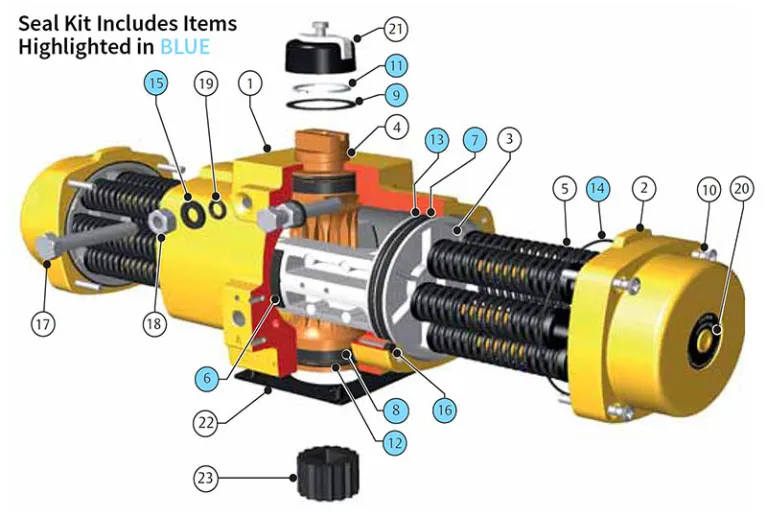
An industrial actuator is a mechanical device that converts energy into motion to control valves or other equipment. Actuators are widely used in automated systems to regulate processes such as fluid flow, pressure, and temperature control.
The most common actuator types include:
– Electric actuators
– Hydraulic actuators
– Pneumatic actuators
These systems play an important role in industries where automation and precise control are critical. Without proper actuator maintenance for power plants and industrial systems, actuator failures can lead to reduced efficiency and operational interruptions.
1. Poor Maintenance Practices
One of the most common causes of actuator failure in industrial systems is poor maintenance. Over time, actuators experience wear and require regular inspection to ensure proper performance.
Common maintenance-related problems include:
– Lack of lubrication
– Loose electrical connections
– Worn internal components
– Dirt accumulation in moving parts
Routine industrial actuator maintenance helps detect these issues early. Many companies work with experienced service providers like ATTS Inc for periodic inspections and professional actuator servicing.
2. Electrical Problems in Electric Actuators
Electrical issues are among the major causes of electric actuator failure in industrial environments. Since electric actuators depend on electrical signals and power supply, any disruption can affect their performance.
Typical electrical problems include:
– Power fluctuations
– Damaged wiring or connectors
– Control signal failure
– Faulty electronic components
These problems can lead to erratic actuator movement or complete operational failure.
3. Contamination and Dirt Buildup
Industrial environments often expose equipment to dust, oil particles, moisture, and other contaminants. Over time, these contaminants may enter actuator systems and cause industrial valve actuator problems.
Contamination can lead to:
– Increased friction in moving parts
– Seal damage
– Blocked hydraulic or pneumatic pathways
– Reduced actuator responsiveness
Proper filtration and regular system cleaning help prevent contamination-related failures.
4. Overloading and Mechanical Stress
Actuators are designed to operate within specific torque and load limits. When these limits are exceeded, components may experience excessive stress, leading to damage.
Overloading can occur due to:
– Incorrect actuator sizing
– Mechanical obstruction in valves
– High process pressure
– Sudden pressure changes
Proper system design and monitoring help prevent these actuator failure causes and solutions related to mechanical stress.
5. Hydraulic and Pneumatic System Issues
In many industrial applications, hydraulic actuator troubleshooting and pneumatic actuator maintenance are necessary to prevent operational problems.
Common system issues include:
– Hydraulic oil contamination
– Low fluid levels
– Air leaks in pneumatic systems
– Blocked pipelines or filters
These problems reduce the actuator’s ability to generate the required force, leading to slow response or incomplete valve movement. Professional maintenance from service providers like ATTS Inc can help resolve these issues and restore system performance.
6. Ageing Components and Wear
Over time, internal components such as gears, seals, and bearings naturally degrade due to continuous operation. This wear is one of the most common problems in valve actuators.
Signs of actuator wear include:
– Slow or delayed movement
– Increased vibration or noise
– Reduced positioning accuracy
– Frequent operational faults
Regular actuator overhauling services help replace worn components and extend equipment life. Many industrial facilities rely on ATTS Inc for actuator inspection, servicing, and overhaul support.
Preventing Actuator Failure
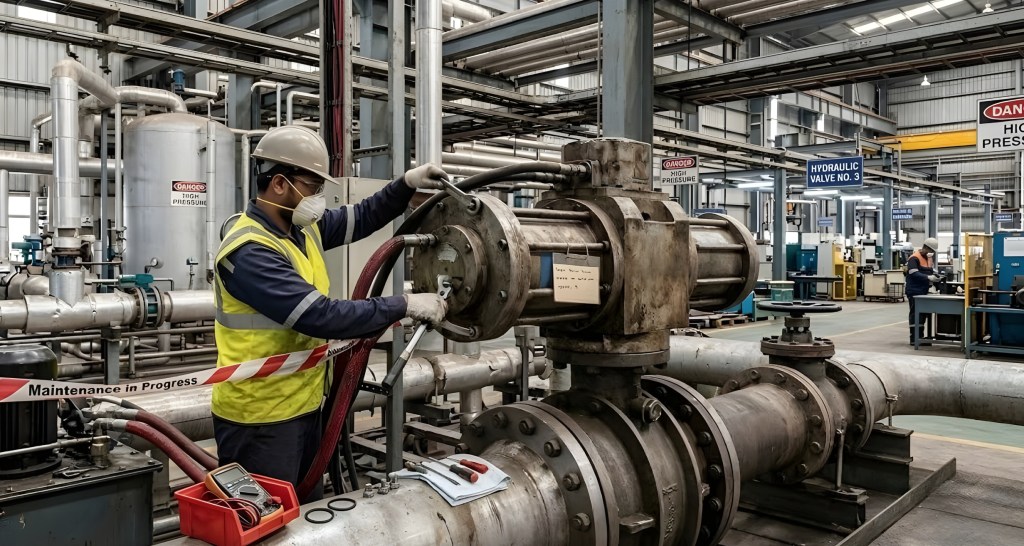
Preventing failures requires a proactive maintenance strategy.
Key practices include:
– Performing regular inspections
– Maintaining proper lubrication
– Monitoring electrical and hydraulic systems
– Installing filtration systems
– Scheduling periodic actuator overhauls
Organizations that implement these measures can significantly reduce actuator failure in industrial systems and improve operational efficiency.
Conclusion
Actuators are vital components in industrial automation, controlling valves and ensuring the precise operation of critical systems. However, factors such as poor maintenance, electrical faults, contamination, mechanical stress, and ageing components are common causes of actuator failure.
By focusing on industrial actuator maintenance and timely actuator troubleshooting, industries can prevent unexpected failures and extend equipment lifespan. Working with experienced service providers like ATTS Inc can further help companies maintain actuator systems and ensure reliable plant operations.
Frequently Asked Questions (FAQs)
- What are the most common causes of actuator failure?
Common causes include poor maintenance, electrical faults, contamination, mechanical stress, and worn components. - How can actuator failure in industrial systems be prevented?
Regular inspections, lubrication, system monitoring, and scheduled actuator overhauling services help prevent failures. - What are common industrial valve actuator problems?
Typical problems include slow movement, inaccurate positioning, electrical faults, and hydraulic or pneumatic pressure issues. - Why is industrial actuator maintenance important?
Proper maintenance improves reliability, reduces downtime, and ensures efficient operation of automated systems. - When should an actuator be overhauled?
An actuator should be overhauled when signs such as slow response, vibration, or operational faults appear.
Need reliable actuator maintenance or overhauling services? ATTS Inc provides expert solutions to help industries maintain efficient and reliable operations—contact ATTS Inc today to learn more about our actuator servicing and industrial maintenance services.