

Gas turbines supply reliable electricity to power plants, industries, and critical facilities. Each component inside a gas turbine plays a unique and essential role in converting fuel energy into useful power. Understanding these parts helps operators improve performance, schedule maintenance, and prevent costly downtime.
If you want a broader introduction to turbine technology, explore the main guide here:
→ Gas Turbines for Power Generation: Complete Beginner-Friendly Guide
ATTS Inc., a global supplier of gas turbine components and engineering solutions, supports power plants in maintaining these parts for safe and efficient operation.
Gas turbines operate under very demanding conditions. High heat, strong airflow, and high-speed rotation can cause wear if parts are not properly maintained. When operators understand how each part functions, they can detect issues early, maintain efficiency, and extend equipment lifespan.
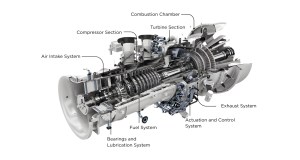
Below are the core components found in most power-plant gas turbines.
The air intake system draws clean, filtered air into the turbine. It protects compressors and internal blades from dust and contaminants that could reduce efficiency or cause damage. Proper air filtration is crucial, especially in desert or industrial environments.
A compressor increases the pressure of the incoming air before combustion. Higher-pressure air improves fuel burning and helps achieve greater power output. Many heavy-duty turbines use multi-stage axial compressors made from multiple rotor and stator blades working together.
The combustor mixes high-pressure air with fuel and ignites the mixture to produce high-temperature gases. A stable and efficient combustion process is essential for consistent turbine performance and lower emissions. Heat-resistant materials protect the components from the extreme temperatures inside.
Learn the full gas turbine working cycle here: → How Does a Gas Turbine Generator Work?
The turbine blades extract energy from the expanding hot gases. As gas flows through the turbine stages, it spins the shaft that powers both the compressor and the generator. Turbine blades are engineered to withstand thermal stress and high-speed forces during continuous operation.
The shaft connects the turbine and compressor. It transfers mechanical power from the expanding gases to the rotating elements and the generator. Any shaft imbalance or failure can lead to serious turbine shutdowns, making alignment and vibration monitoring essential.
The fuel system controls fuel delivery to the combustor. Pumps, valves, and fuel nozzles ensure stable and efficient fuel flow. Poor fuel quality or improper control can cause combustion instability or higher emissions.
Bearings support the rotating shaft and reduce friction between moving parts. The lubrication system ensures smooth operation and cooling. Any contamination in lubrication oil can lead to overheating and wear. ATTS Inc. supports plants with high-quality filtration solutions to protect these systems.
This system is responsible for safe and automatic turbine operation. Sensors and actuators adjust fuel, airflow, speed, and load conditions. It also ensures safe shutdown during abnormal conditions, protecting both equipment and personnel.
After energy is extracted by the turbine blades, the remaining gases are released through the exhaust. In combined cycle plants, hot exhaust is used to generate additional power through a steam turbine. This energy recovery sharply improves total plant efficiency.
Parts are classified based on the temperatures they experience during operation.
| Category | Temperature Exposure | Main Components |
| Hot Section Parts | Extremely high heat | Turbine blades, nozzles, combustor liners |
| Cold Section Parts | Lower temperature airflow | Compressor blades, filters, bearings |
Hot section parts degrade faster because of constant thermal stress and oxidation. Cold section components face fouling, foreign object damage, and lubrication issues over time.
Learn about replacement and life cycles here:
→ Types of Gas Turbine Parts Used in Power Plants & Their Replacement Needs
Blade and combustor materials are specially engineered to handle extreme temperatures and rotational loads. Nickel-based superalloys, thermal barrier coatings, and internal cooling designs help protect parts from deformation and cracking during long operating cycles.
Without proper care, even minor issues can lead to major failures. Blade erosion, filter clogging, or lubrication problems can increase fuel consumption and reduce output. Routine maintenance, such as borescope inspections, hot gas path inspections, and filter replacements, helps maintain performance and prevent costly outages.
Explore maintenance services overview:
→ Gas Turbine Parts & Maintenance Services for Power Plants
ATTS Inc. supports power plants with dependable spare parts and professional turbine maintenance coordination to ensure maximum reliability.
1. Which turbine parts wear out fastest?
Hot section turbine blades and combustor liners due to extreme heat.
2. Why do compressors need clean air?
Dust and debris reduce efficiency and damage blades.
3. Can turbine blades be repaired?
Yes. Many hot-section parts can be refurbished for extended use.
4. What happens if lubrication fails?
Bearings can overheat, leading to severe mechanical damage.
5. Which parts require the most monitoring?
Turbine blades, nozzles, fuel nozzles, and bearings.
Gas turbine components must work together perfectly to deliver efficient and consistent power. A clear understanding of these parts and regular maintenance helps power plants improve performance and prevent downtime.
ATTS Inc. provides high-quality turbine parts, filtration solutions, and engineering services that help maintain excellent performance in power generation industries.