التصنيفات
المدونة

Why Air Filtration Is Important for Machines and Power Plants

Why Air Filtration Is Important for Machines and Power Plants

Why Air Filtration Is Important for Machines and Power Plants

Clean air is one of the most valuable—and most underestimated—resources in industrial environments. Whether operating gas turbines, compressors, generators, HVAC systems, or other heavy-duty machinery, the quality of the air entering a system directly affects performance, safety, and long-term reliability. In power plants, even small fluctuations in air quality can translate into significant drops in efficiency or costly equipment failures.

At  , we design advanced air filtration systems engineered to protect machinery from harsh industrial contaminants. This guide explains why air filtration matters, how it affects machine performance, and what industries can do to safeguard their equipment.

The Role of Air Filtration in Industrial Machinery

Air filtration ensures that the air entering machinery is clean, stable, and free from dangerous contaminants. Industrial environments contain high levels of dust, sand, soot, moisture, and chemical vapors—all of which can cause severe damage if not filtered out.

For beginners learning about filtration, the best starting point is understanding What Air Filters Do and how they work, because filtration begins long before the air reaches the machine itself. Air filters remove harmful particles that can erode components, disrupt combustion, and reduce system efficiency.


Why Air Filtration Matters in Power Plants

Power plants depend heavily on consistent airflow to generate energy. Gas turbines, for example, ingest hundreds of kilograms of air per second, making them extremely sensitive to airborne contaminants. Even small dust particles can accumulate on compressor blades, reducing aerodynamic efficiency and increasing fuel consumption.

Filtration plays several vital roles in power plant operations:

✔ Protecting Critical Components

Clean air helps prevent blade erosion, fouling, corrosion, and overheating.

✔ Improving Combustion Quality

Cleaner air enables complete and stable combustion, resulting in higher output and lower emissions.

✔ Reducing Fuel Costs

Efficient air systems allow turbines and engines to burn fuel more effectively.

✔ Supporting Environmental Compliance

Cleaner combustion lowers harmful emissions such as NOx and CO.

✔ Extending Machine Lifespan

Reduced contamination means fewer breakdowns and longer service life.
A modern power plant cannot operate efficiently without strong air filtration practices.

Industrial Risks When Air Filtration Fails

Industrial Risks When Air Filtration Fails

Many facilities only discover the importance of air filtration after experiencing equipment issues. Dirty or clogged air filters create multiple operational problems, as explored in Common Problems Caused by Dirty or Clogged Air Filters.

Some of the biggest risks include:

1. Pressure Drop and Reduced Efficiency

When filters clog, airflow drops, and machines must work harder to draw in air. This leads to higher fuel consumption and declining performance.

2. Compressor Fouling and Blade Erosion

Fine particles that bypass poor filtration systems accumulate on compressor blades, reducing airflow efficiency and requiring costly cleaning cycles.

3. Overheating and Load Instability

Restricted airflow can cause temperature imbalances, leading to overheating and potential shutdowns.

4. Higher Maintenance Costs

Machines exposed to unfiltered air experience more frequent breakdowns, unplanned outages, and costly repairs.

5. Reduced Output in Power Plants

Even a small decline in turbine efficiency can lead to significant revenue loss, especially in large-scale operations.

These risks highlight why air filtration is not optional—it is an essential part of machine care and plant safety.

Different Types of Air Filters Used in Industry

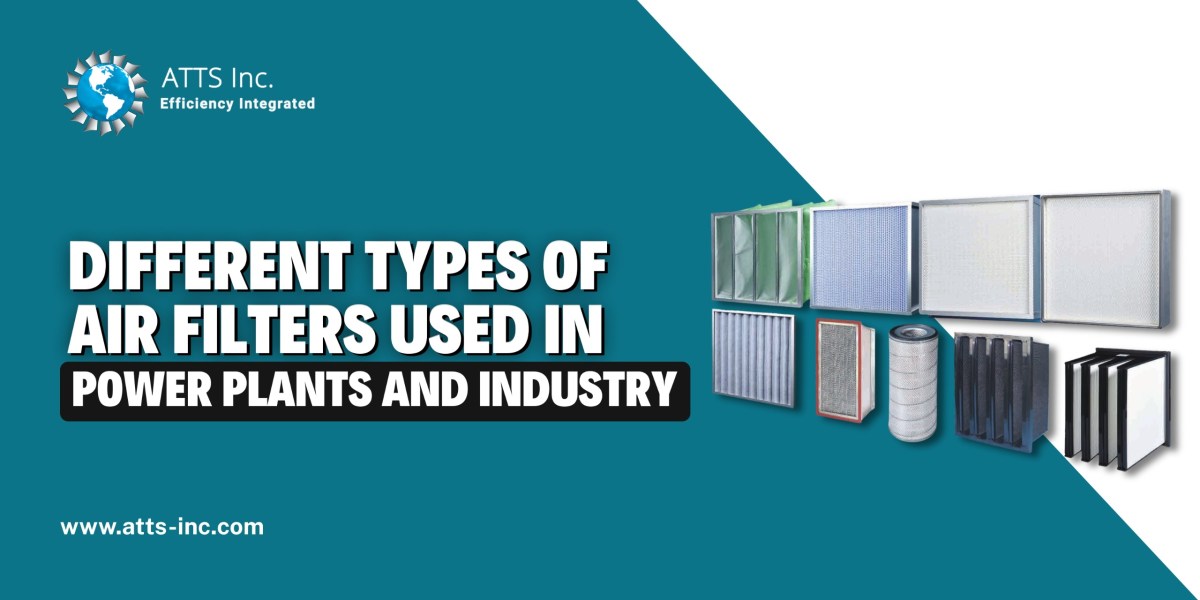
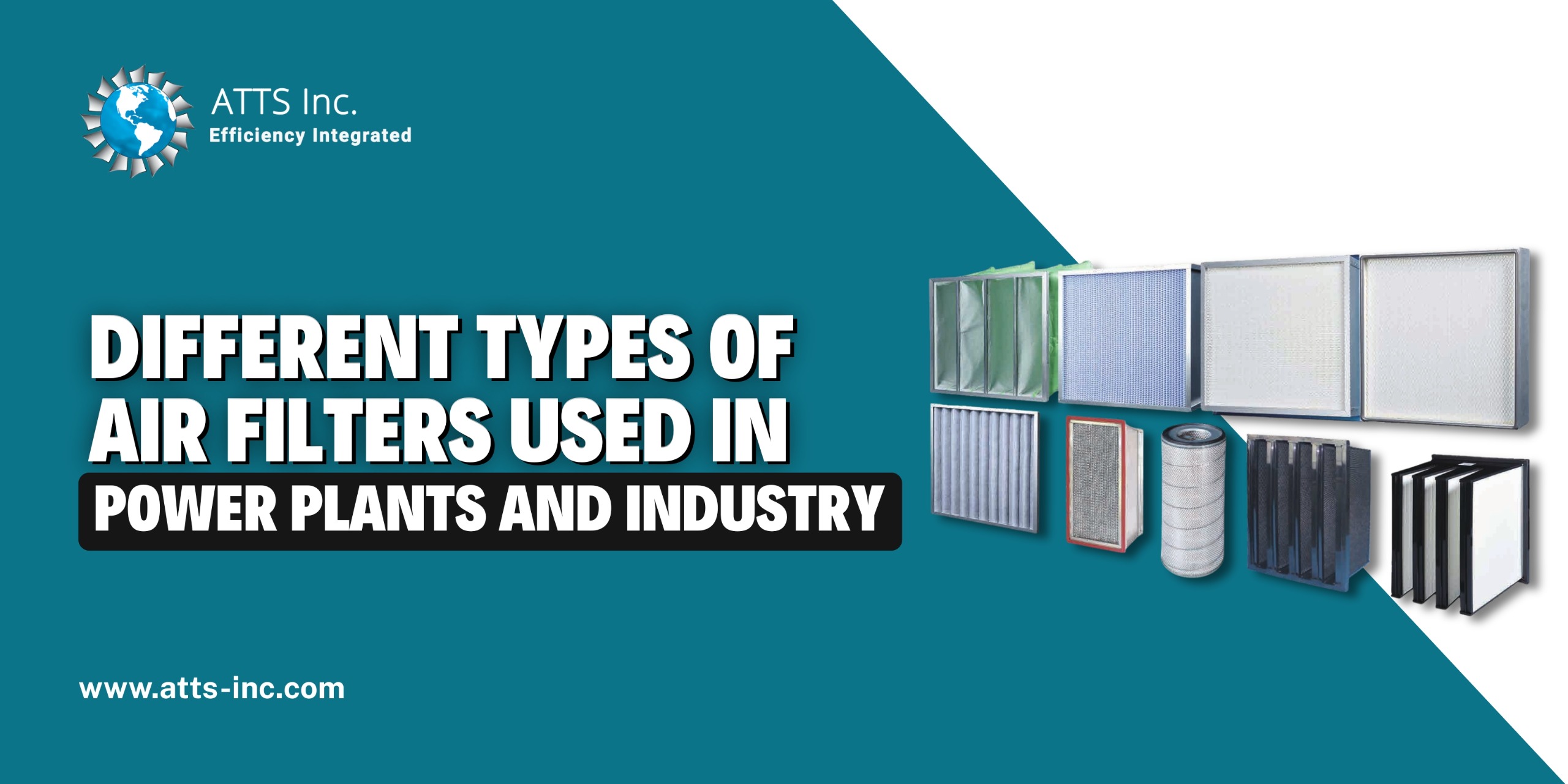
Not all environments face the same air quality challenges, which is why industries use a variety of filtration technologies. Learning about the Different Types of Air Filters Used in Power Plants and Industry helps operators choose the right system for their operating conditions.

Some major filter categories include:

✔ Pre-Filters

Capture large dust and debris to protect downstream finer filters.

✔ EPA & HEPA Filters

Remove extremely fine particles to prevent compressor fouling and performance loss.

✔ Self-Cleaning / Inertial Filters

Ideal for dusty, coastal, or polluted regions where filters must automatically clean themselves.

✔ Carbon Filters

Remove corrosive gases, chemical vapors, and odors.

✔ High-Temperature Filters

Used in industrial systems where air temperatures exceed standard filter limits.

Selecting the right filter type is essential to maximizing equipment efficiency and longevity. ATTS Inc offers engineered filtration solutions for gas turbines, compressors, HVAC systems, and high-dust industrial environments.

How Air Filtration Improves Overall Efficiency

Strong air filtration doesn’t just protect machinery—it directly improves productivity and operational efficiency.

  • Higher power output
    Clean air allows turbines and engines to operate at optimal airflow levels.

  • Lower operating expenses
    Reduced fuel consumption, fewer breakdowns, and extended maintenance intervals save money in the long term.


  • More stable machine performance
    Consistent airflow means smoother operation, less vibration, and fewer shutdowns.


  • Improved environmental performance
    Reduced contaminant load leads to cleaner combustion and fewer emissions.
    By investing in high-quality air filtration, industries can reduce risk and improve energy efficiency across all operations.

FAQs

  1. Why is air filtration critical for gas turbines and power plants?
    Because turbines rely on massive airflow, any contaminants in the air can cause fouling, erosion, overheating, and reduced power output.
  2. What type of air filter works best for harsh environments?
    EPA filters, including fine EPA filters, are commonly used in harsh environments due to their balance of efficiency and airflow.
  3. How do I know which air filter is right for my facility?
    Filter choice depends on environment, air quality, temperature, and machine type. ATTS Inc can recommend the best filtration solution based on real operating conditions.
  4. Does better filtration improve machine efficiency?
    Yes. Clean air improves combustion, reduces fuel use, and helps machines operate at optimal performance.
  5. What industries rely on advanced air filtration?
    Power plants, refineries, petrochemical plants, manufacturing facilities, and any industry using turbines or heavy machinery.
التصنيفات
المدونة

Different Types of Air Filters Used in Power Plants and Industry

Different Types of Air Filters Used in Power Plants and Industry

Different Types of Air Filters Used in Power Plants and Industry

Air filtration plays a crucial role in maintaining the stability, efficiency, and protection of industrial machinery and power plant operations from harmful contaminants. Every machine—whether it’s a gas turbine, compressor, HVAC unit, or generator—needs clean air to function at its best. But not all environments are the same, so no single air filter works for every application.

Different industries face various challenges, including dust storms, humidity, coastal salt, chemical vapours, soot, and industrial pollutants. To address these conditions effectively, engineers must choose the right filtration system that can protect equipment while supporting optimal airflow and efficiency.

This article explores the main types of air filters used in power plants and industrial facilities, helping you understand how each type supports performance and helps prevent the issues discussed in guides like What Air Filters Do and How They Work and Common Problems Caused by Dirty or Clogged Air Filters.

Why Multiple Filter Types Are Needed

Power plants and industrial systems inhale thousands of cubic meters of air every hour. Without proper filtration, even small particles can cause erosion, fouling, pressure drop, and reduced machine efficiency. Each filter type is built to target specific contaminants and environmental challenges.

At ATTS Inc, we provide engineered filtration solutions that meet these real-world demands, ensuring machinery receives the clean, stable airflow required for long-term performance.

1. Pre-Filters

Pre-Filters

Pre-filters are the first line of defence in most industrial air intake systems. Their main purpose is to capture large, visible particles such as:

  • Dust
  • Fibers
  • Larger debris
  • Pollen
  • Insects

Why They Matter

These filters are essential because they prevent downstream filters from clogging prematurely. By reducing the load on fine filters, pre-filters help maintain proper airflow and extend system life.

Used In:

  • Gas turbine intakes
  • Industrial HVAC systems
  • Power plant ventilation
  • Manufacturing plants

Pre-filters work best when paired with more advanced filtration stages.

2. Fine Filters (EPA and HEPA Filters)

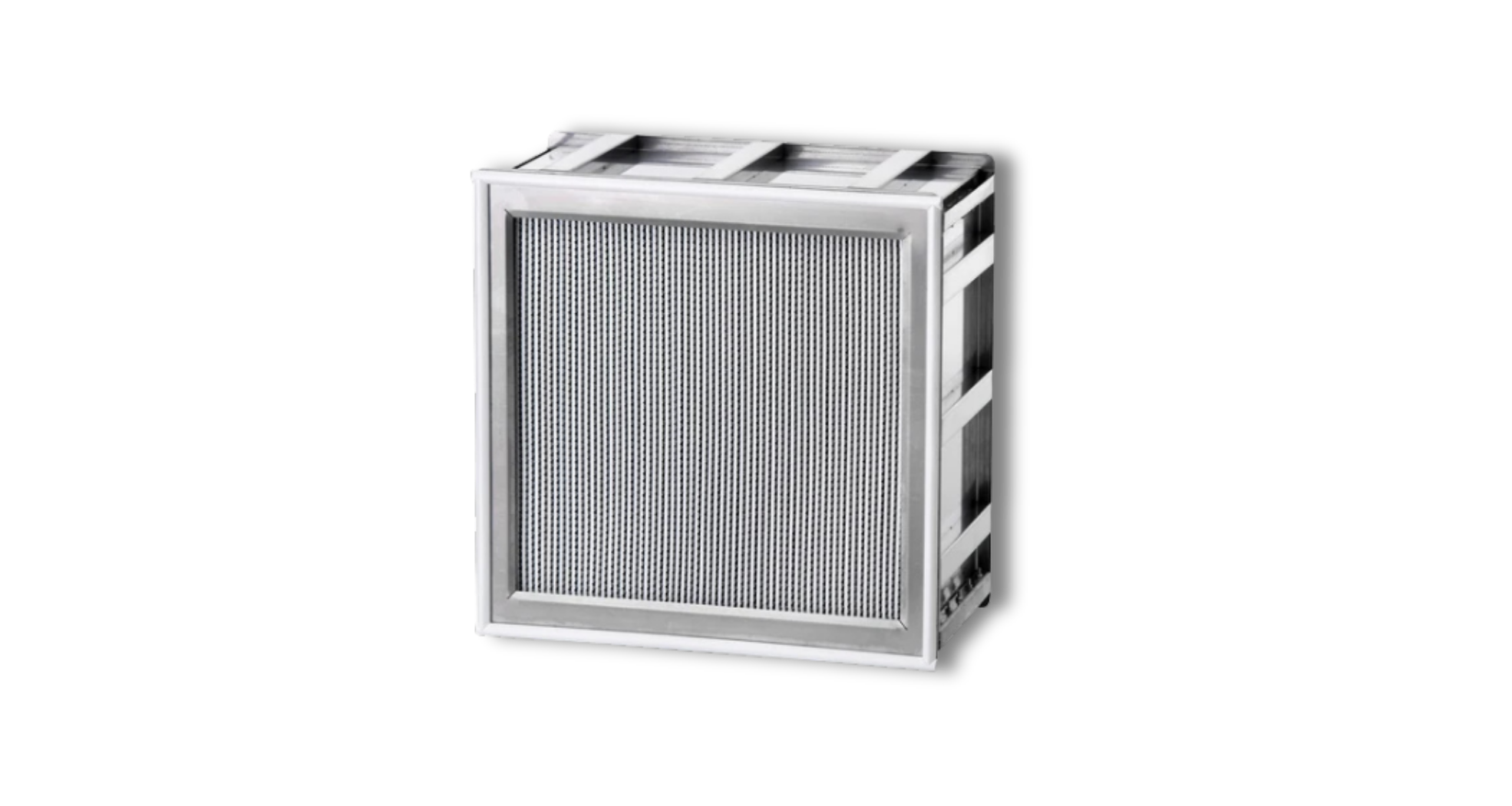
Fine filters remove microscopic particles that pre-filters cannot capture. These contaminants include soot, micro-dust, exhaust residue, industrial particulates, and other airborne pollutants.

EPA Filters

EPA (Efficient Particulate Air) filters offer high efficiency with balanced airflow resistance, making them suitable for most power generation and industrial applications.

HEPA Filters

HEPA filters provide an even higher level of filtration, capturing up to 99.97% of particles as small as 0.3 microns. These are used when maximum air cleanliness is required.

Used In:

  • Gas turbines
  • Data centers
  • High-performance compressors
  • Sensitive HVAC systems
  • Industrial clean areas

Fine filters are crucial in preventing compressor fouling, which is one of the primary causes of reduced turbine efficiency.

2. Fine Filters (EPA and HEPA Filters)

3. Inertial and Self-Cleaning Filters

Inertial Filters for Harsh Environments

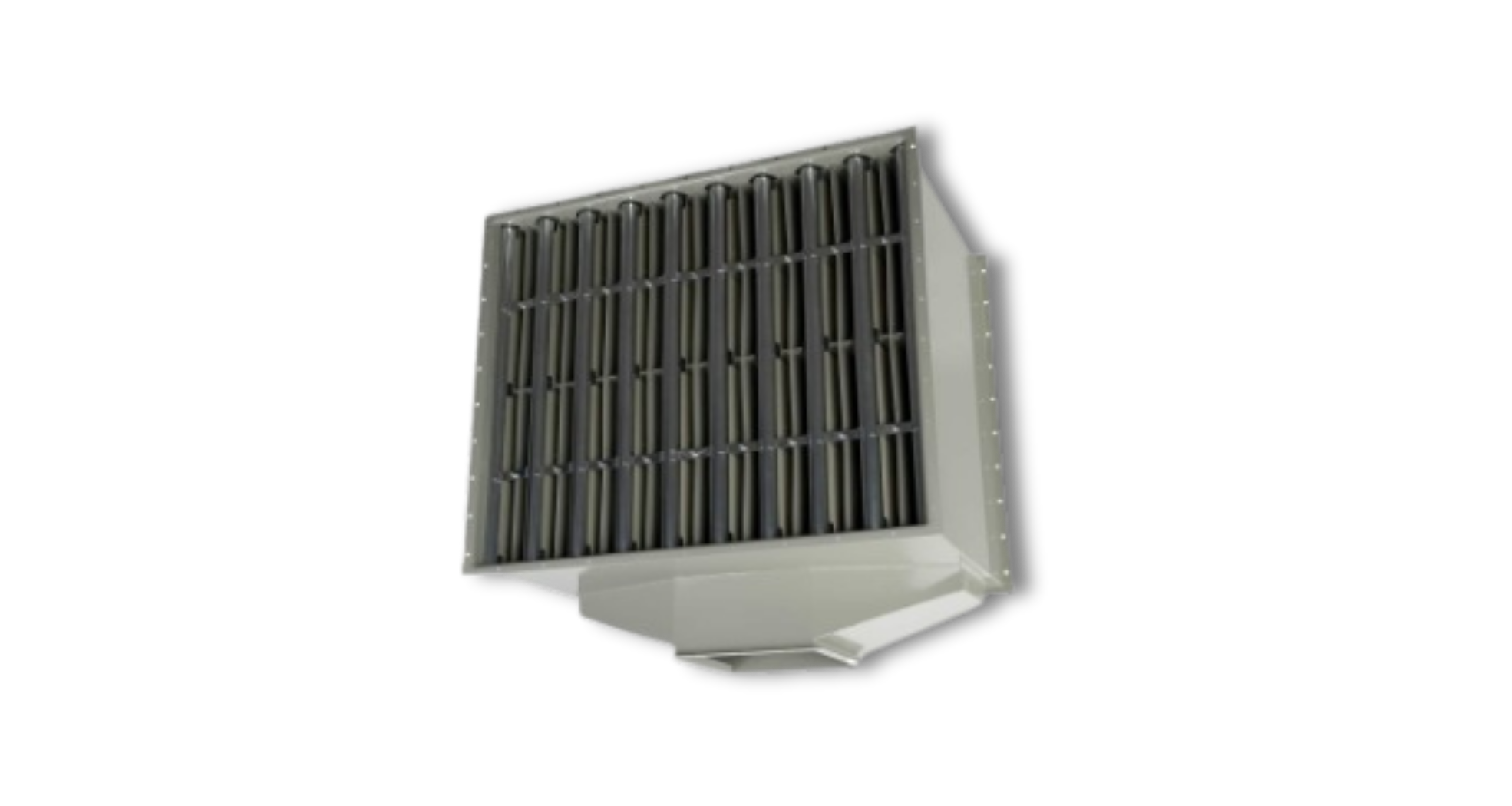
In environments with heavy dust, sand, or airborne particulates, inertial filters are often the most effective solution for maintaining optimal airflow and performance.

How They Work
Inertial filters operate based on the principle of inertial separation. As air laden with dust enters the filter, most of the air changes direction through the vanes, while the dust, due to its higher mass and inertia, continues in a straight path. This results in the separation of the dust particles from the airflow. The separated dust is then expelled through a bleed air outlet, while the cleaner air is directed through to the system. This process ensures continuous, efficient filtration without requiring frequent manual cleaning, as the system self-cleans through airflow management.

Benefits

  • Longer filter life
  • Reduced pressure drop
  • Stable turbine performance
  • Lower maintenance requirements

Used In

  • Desert regions
  • Coastal power plants
  • Cement factories
  • Petrochemical facilities

In challenging environments with high particulate contamination, inertial filters offer a reliable solution, allowing machines and systems to operate efficiently while minimizing maintenance intervals.

4. High-Temperature Air Filters

Some industrial environments expose air filters to extreme heat. Regular filter materials cannot withstand such conditions, which is why high-temperature filters are engineered for:

  • Furnace systems
  • Exhaust air streams
  • Heat recovery equipment
  • Industrial ovens

These filters maintain their structure and filtration capacity even at elevated temperatures, enabling machinery to operate safely without compromising filter integrity.

High-Temperature Air Filters

5. Carbon and Gas-Phase Filters

Carbon filters play a crucial role in environments where gases, odours, or corrosive vapours are a concern. They absorb harmful molecules that mechanical filters cannot remove.

Ideal For:

  • Refineries
  • Chemical industries
  • Waste treatment plants
  • Power plants near industrial zones

These filters help prevent corrosion in sensitive electronics, control rooms, turbine components, and instrumentation.

Coalescing Filters

Moisture is an invisible but serious threat to industrial equipment. Coalescing filters remove:

  • Water mist
  • Oil aerosols
  • Moisture droplets
  • Fine liquid contaminants

Used In:

  • Compressed air systems
  • Turbine intake systems in humid environments
  • Petrochemical processing facilities

By ensuring dry airflow, coalescing filters protect equipment from rust, corrosion, and reduced performance.

How to Select the Right Filter for Your Facility

Choosing the correct air filter depends on several factors:

  • Environmental conditions (dust, humidity, chemicals)
  • Type of machinery (turbine, compressor, HVAC)
  • Required filtration precision
  • Operating temperature
  • Maintenance capabilities
  • Expected pressure drop

This is why many operators partner with filtration specialists like ATTS Inc., which designs solutions tailored to plant conditions and machine requirements.

Understanding filter types also helps operators avoid many of the issues described in Common Problems Caused by Dirty or Clogged Air Filters, reinforcing the importance of proper filter selection and timely maintenance.

FAQs

  1. What is the most common type of air filter used in power plants?
    The most common type of air filter used in power plants is fine filters. These are widely used because of their high efficiency in capturing smaller particles, ensuring clean air while maintaining a balance with the required airflow.

  2. Are HEPA filters necessary for gas turbines?
    Not always, but they are preferred in environments with heavy fine particulate contamination.

  3. When should I choose a self-cleaning filter?
    When your facility is located in dusty or sandy regions, or when maintenance access is limited.

  4. What filter is best for removing chemical vapours?
    Carbon or gas-phase filters are ideal for absorbing corrosive gases and odours.

  5. Does ATTS Inc supply custom filtration systems?
    Yes. ATTS offers engineered air filtration solutions tailored to specific machinery, environments, and performance requirements.
التصنيفات
المدونة

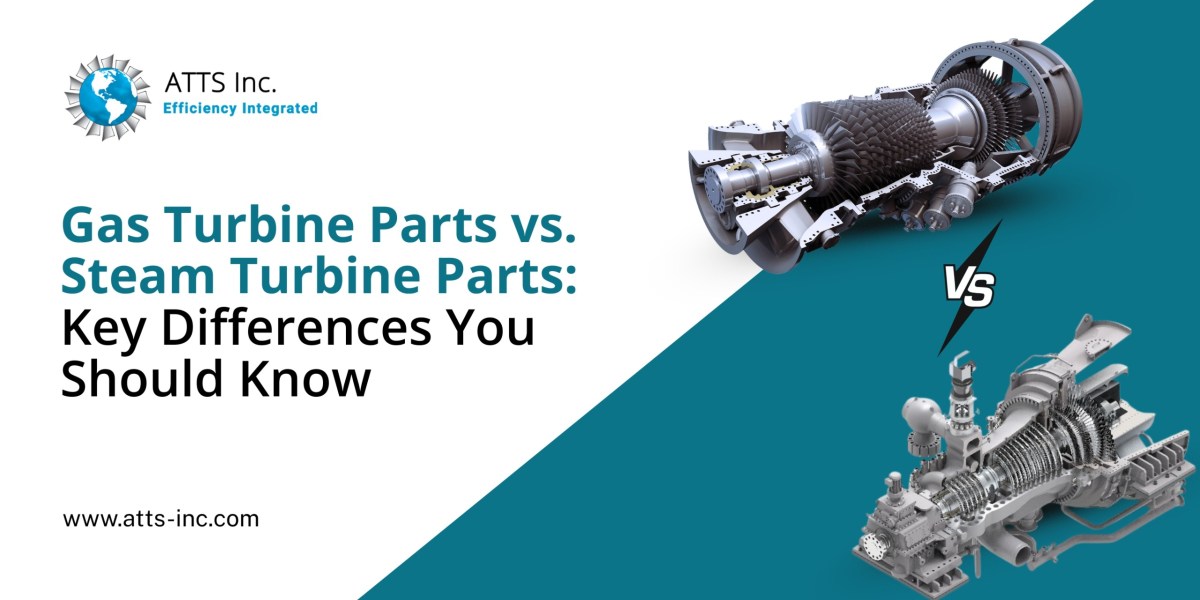
Gas Turbine Parts vs. Steam Turbine Parts: Key Differences You Should Know

Gas Turbine Parts vs. Steam Turbine Parts: Key Differences You Should Know

Comparison banner showing gas turbine and steam turbine parts with the title 'Gas Turbine Parts vs. Steam Turbine Parts: Key Differences You Should Know' by ATTS Inc
Turbines are the driving force behind modern power generation, converting fuel or steam into mechanical energy that powers electricity-generating turbines. While both gas turbines and steam turbines serve critical roles in industries such as power generation, oil & gas, and manufacturing, the parts that make them work differ in design and function.   Understanding the key differences between gas turbine parts and steam turbine parts is essential for plant operators, procurement teams, and engineers. It helps ensure you choose the right equipment, spare parts, and maintenance practices for optimal performance.

Why Compare Gas Turbine and Steam Turbine Parts?

At first glance, both turbines may seem similar—they each have a rotor, casings, bearings, and auxiliary systems. However, their design, operating principles, and parts requirements differ because they rely on different working fluids:
  • Gas turbines use combustion gases generated by burning fuel.
  • Steam turbines use high-pressure steam produced in a boiler.
These differences influence the types of parts used, their durability, and their maintenance needs.  

Key Differences Between Gas Turbine and Steam Turbine Parts

1. Combustion System vs. Boiler

  • Gas Turbines: A significant part of a gas turbine is the combustion system, which mixes fuel (like natural gas or liquid fuel) with compressed air and ignites it. The hot gases expand through turbine blades to produce power.
  • Steam Turbines: Steam turbines do not have a combustion system inside the turbine itself. Instead, they rely on an external boiler or heat recovery steam generator (HRSG) to create steam, which is then directed into the turbine.
Key takeaway: Gas turbines require combustion chambers and fuel injectors, while steam turbines depend on a separate boiler system.  

2. Hot Gas Path Parts vs. Steam Path Parts

  • Gas Turbines: The “hot gas path” is one of the most critical areas. It includes turbine blades, vanes, nozzles, and shrouds, all of which must withstand temperatures exceeding 1,000°C. These parts require advanced alloys and thermal barrier coatings to prevent damage.
  • Steam Turbines: Instead of hot combustion gases, steam turbines deal with high-pressure steam. The steam path includes blades and diaphragms designed to handle both high pressure and moisture. Erosion from water droplets is a common concern, so steam turbine parts are often designed with anti-erosion coatings and materials.
Key takeaway: Gas turbines focus on heat resistance, while steam turbines focus on pressure and erosion resistance.  

3. Compressor vs. Condenser

  • Gas Turbines: They include a compressor section that draws in air and compresses it before sending it to the combustion chamber. This compressor is one of the largest and most energy-intensive parts of a gas turbine.
  • Steam Turbines: Instead of a compressor, steam turbines work with a condenser, which cools exhaust steam back into water so it can be reused in the boiler. The condenser is vital for maintaining efficiency in the steam cycle.
Key takeaway: Gas turbines compress air internally, while steam turbines rely on external systems to recycle steam.  

4. Bearings and Rotors

Both turbines rely heavily on bearings and rotors to support the moving parts.
  • Gas Turbines: Bearings must handle very high rotational speeds (up to 3,600 RPM or more) and extreme heat from the hot gas path.
  • Steam Turbines: Bearings in steam turbines must manage large axial loads caused by steam pressure and moisture forces. They often need robust sealing systems to prevent steam leakage.
Key takeaway: While both turbines use bearings and rotors, gas turbine parts focus on high speed and heat, while steam turbine parts focus on load management and sealing.  

5. Auxiliary and Support Systems

  • Gas Turbines: Require auxiliary systems such as fuel supply systems, lube oil systems, inlet air filtration, and advanced control systems.
  • Steam Turbines: Depend heavily on boiler feed pumps, condensate pumps, water treatment systems, and cooling towers to keep the steam cycle running.
Key takeaway: Gas turbines rely on fuel and air management, while steam turbines rely on water and steam cycle management.  

6. Maintenance Cycles

  • Gas Turbines: Parts like hot gas path components (blades, vanes, combustion liners) require regular inspection and replacement because of extreme heat stress. Maintenance outages are usually scheduled every few thousand operating hours.
  • Steam Turbines: Parts wear more slowly but are affected by corrosion, scaling, and erosion. Steam quality is critical—poor water treatment can damage blades and seals. Maintenance often focuses on inspecting seals, bearings, and steam path erosion.
Key takeaway: Gas turbine maintenance is heat-focused, while steam turbine maintenance is moisture- and corrosion-focused. Summary of Differences at a Glance
Feature / Part Gas Turbine Parts قطع غيار التوربينات البخارية
Energy Source Combustion gases High-pressure steam
Key Component Combustion chamber + hot gas path Boiler + steam path
Special Focus Heat resistance & coatings Pressure & erosion resistance
Air/Steam Management Compressor Condenser
Auxiliary Systems Fuel supply, air filtration, controls Pumps, condensers, water treatment
Common Maintenance Concern Overheating & thermal fatigue Corrosion, scaling, moisture erosion
 

Conclusion: Choosing the Right Turbine Parts

Both gas turbine parts and steam turbine parts are essential for modern industries, but their designs and challenges differ greatly.
  • Gas turbines demand parts that can endure extreme heat and high speeds.
  • Steam turbines require parts that can handle pressure, steam quality, and moisture erosion.
  For plant operators and engineers, understanding these differences helps in planning maintenance, sourcing the right spare parts, and improving reliability. At ATTS Inc., we provide a wide range of OEM-compliant gas and steam turbine parts, ensuring your machinery runs efficiently and reliably. Whether you need outage kits, hot gas path components, or critical steam turbine spares, our team can support your operational needs with quality and expertise.  

FAQs

  1. What is the most significant difference between gas and steam turbine parts? Gas turbines rely on combustion chambers and hot gas path parts, while steam turbines rely on boilers and steam path components.
  2. Which turbine parts wear out fastest? In gas turbines, hot gas path parts (blades, vanes) wear fastest due to heat. In steam turbines, blades and seals suffer from erosion and corrosion.
  3. Do gas turbines or steam turbines require more maintenance? Gas turbines typically need more frequent inspections due to heat stress, while steam turbines need careful water/steam management to avoid corrosion issues.
  4. Can one supplier provide both gas and steam turbine parts?Yes. Suppliers like ATTS Inc. specialize in both, offering a full range of outage kits and critical spare parts.
  5. Which industries use gas vs. steam turbine parts? Gas turbine parts are common in power plants, aviation, and oil & gas, while steam turbine parts are widely used in thermal power, chemical, and paper industries.
التصنيفات
المدونة

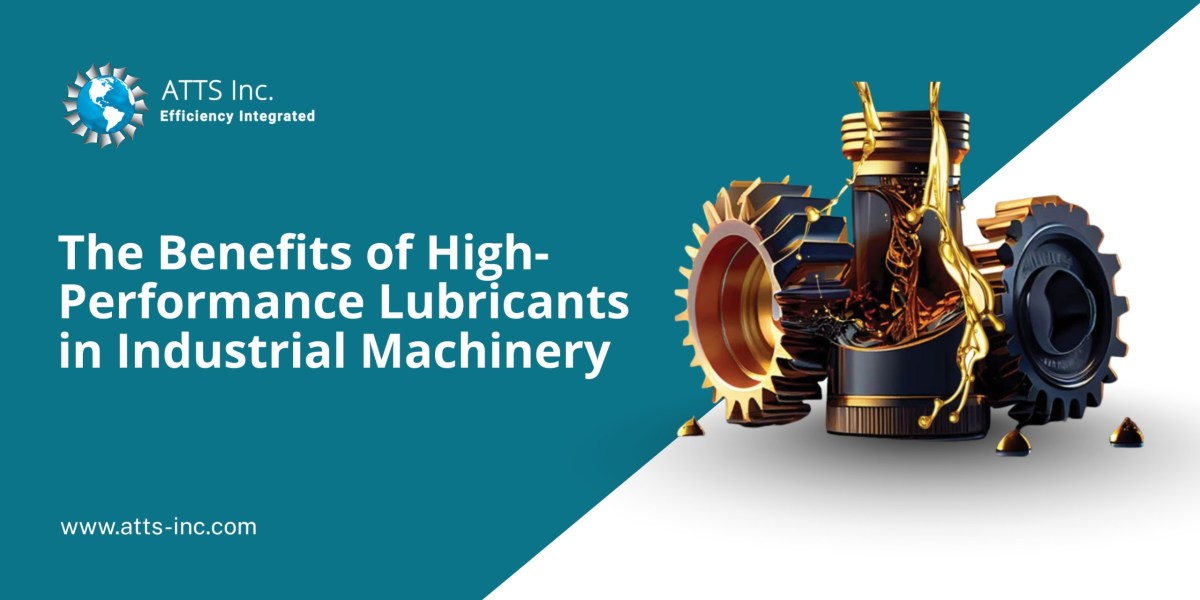
The Benefits of High-Performance Lubricants in Industrial Machinery

The Benefits of High-Performance Lubricants in Industrial Machinery

ATTS Inc. banner highlighting the benefits of high-performance lubricants in industrial machinery. Illustration of gears with golden lubricant oil on a blue and white background

Industrial machinery is the backbone of numerous sectors, including power generation, oil & gas, pharmaceuticals, and various manufacturing. For machinery to run smoothly, reduce downtime, and maximize efficiency, it is essential to use high-quality lubricants. These lubricants ensure that industrial equipment operates at peak performance, extends equipment life, and reduces maintenance costs.

Why High-Performance Lubricants Matter

ATTS Inc., with over 27 years of expertise in turbomachinery and power generation, understands the critical role of high-performance lubricants. Our lubricants are specially formulated for industries such as power plants, oil & gas and manufacturing to improve efficiency, prevent wear, and extend machinery’s lifespan.

Key Benefits of High-Performance Lubricants

1. Reduced Maintenance and Downtime

Regular maintenance is essential for machinery, but with the right lubricants, the need for frequent servicing can be significantly reduced. By reducing wear, preventing overheating, and improving sealing, high-performance lubricants help keep machinery running longer between service intervals.

Less downtime means more productivity, fewer disruptions to your operations, and lower maintenance costs. With proper lubrication, machinery can perform consistently without requiring constant repairs.

2. Reduced Wear and Tear

Close-up comparison of metal gears without lubrication on the left and with yellow lubricant oil applied on the right, highlighting the difference in wear reduction

One of the most significant advantages of high-performance lubricants is their ability to reduce friction between moving parts. In industrial machinery, such as gas turbines and compressors, moving parts are constantly under strain. Without proper lubrication, this friction leads to wear and tear, which can cause parts to fail prematurely.

High-performance lubricants form a protective film that reduces direct contact between metal surfaces, thereby preventing abrasion and deformation. This leads to less frequent repairs and increased machinery life.

3. Improved Sealing and Protection

High-performance lubricants are not just for moving parts. They also play a crucial role in sealing and protecting parts of machinery such as gaskets, seals, and oil filters. In systems like gas turbines, where high temperatures and pressures are common, proper sealing is essential to ensure that no leaks occur.

These lubricants improve sealing capabilities, ensuring that oil seals and gaskets are protected from wear, fluid loss, and unwanted leaks. This leads to more efficient operations and improved machinery reliability.

4. Prevention of Corrosion and Rust

Prevention of Corrosion and Rust

Corrosion is one of the leading causes of machinery failure, particularly in industries like oil & gas, where equipment is exposed to harsh environments. High-performance lubricants contain anti-corrosive additives that protect machinery from rust and corrosion. This is especially important in offshore rigs and power plants that deal with saltwater or harsh chemicals.

By preventing corrosion, lubricants help keep critical machinery in optimal condition for longer, reducing the need for costly replacements and maintenance.

5. Enhanced Efficiency and Performance

Lubricants do more than just reduce wear—they also help machinery operate at optimal efficiency. When friction is minimized, energy consumption is reduced. In gas turbines used in power generation, lubricants help maintain high efficiency by preventing overheating and maintaining consistent operational speed.

Using high-performance lubricants results in lower energy costs, as machinery can run more smoothly with less effort. In power plants, this translates to greater fuel efficiency and cost savings.

6. Energy Conservation and Sustainability

the bar graph showcasing benefit of lubrication and how it helps in Energy Conservation and Sustainability

In today’s industrial world, sustainability and energy conservation are top priorities. High-performance lubricants contribute to energy efficiency by reducing friction and improving machinery output. The less friction in your machinery, the less energy it needs to operate, which means reduced fuel consumption and a lower carbon footprint.

For industries looking to lower their environmental impact, high-performance lubricants are an easy and effective way to enhance energy efficiency and make operations more sustainable.


7. Adaptability to Extreme Conditions

Industrial machinery operates in extreme environments, including high temperatures, fluctuating pressures, and heavy workloads. High-performance lubricants are engineered to perform well under these stressful conditions, ensuring that machinery remains operational even when subjected to intense stresses.

For example, in gas turbines operating in power plants, the temperature can soar to over 1,000°C. The lubricants used in these turbines must withstand high thermal loads while maintaining their lubricating properties.

Conclusion: The Importance of Investing in High-Performance Lubricants

Using high-performance lubricants in your industrial machinery is an investment in longevity, efficiency, and cost savings. These lubricants are essential for reducing wear and tear, improving operational performance, preventing corrosion, and lowering maintenance costs. At ATTS Inc., we specialize in providing high-quality lubricants designed to meet the demanding needs of industries such as power generation, oil & gas, and pharmaceuticals.

By choosing ATTS Inc. as your partner in lubrication, you’re ensuring that your machinery performs optimally, remains reliable, and lasts longer. With our tailored lubricant solutions, you can reduce downtime, improve energy efficiency, and achieve sustainable progress in your operations.

FAQs

  1. What types of industrial machinery benefit most from high-performance lubricants?
    High-performance lubricants are ideal for gas turbines, compressors, pumps, and other heavy-duty industrial machinery.

  2. How often should industrial machinery be lubricated? Lubrication frequency depends on the type of machinery, operating conditions, and the manufacturer’s recommendations.

  3. Can high-performance lubricants reduce energy consumption in machinery?
    Yes, by reducing friction, high-performance lubricants help
    machinery operate more efficiently, leading to energy conservation.

  4. What’s the difference between regular lubricants and high-performance lubricants?
    High-performance lubricants contain advanced additives for superior protection against wear, heat, and corrosion, making them more effective than standard lubricants.

  5. How do high-performance lubricants help prevent machinery downtime?
    These lubricants reduce wear and tear, improve machine performance, and extend the intervals between maintenance, leading to less unplanned downtime.

For more information or to find the perfect lubricants for your machinery, contact us today.

التصنيفات
المدونة

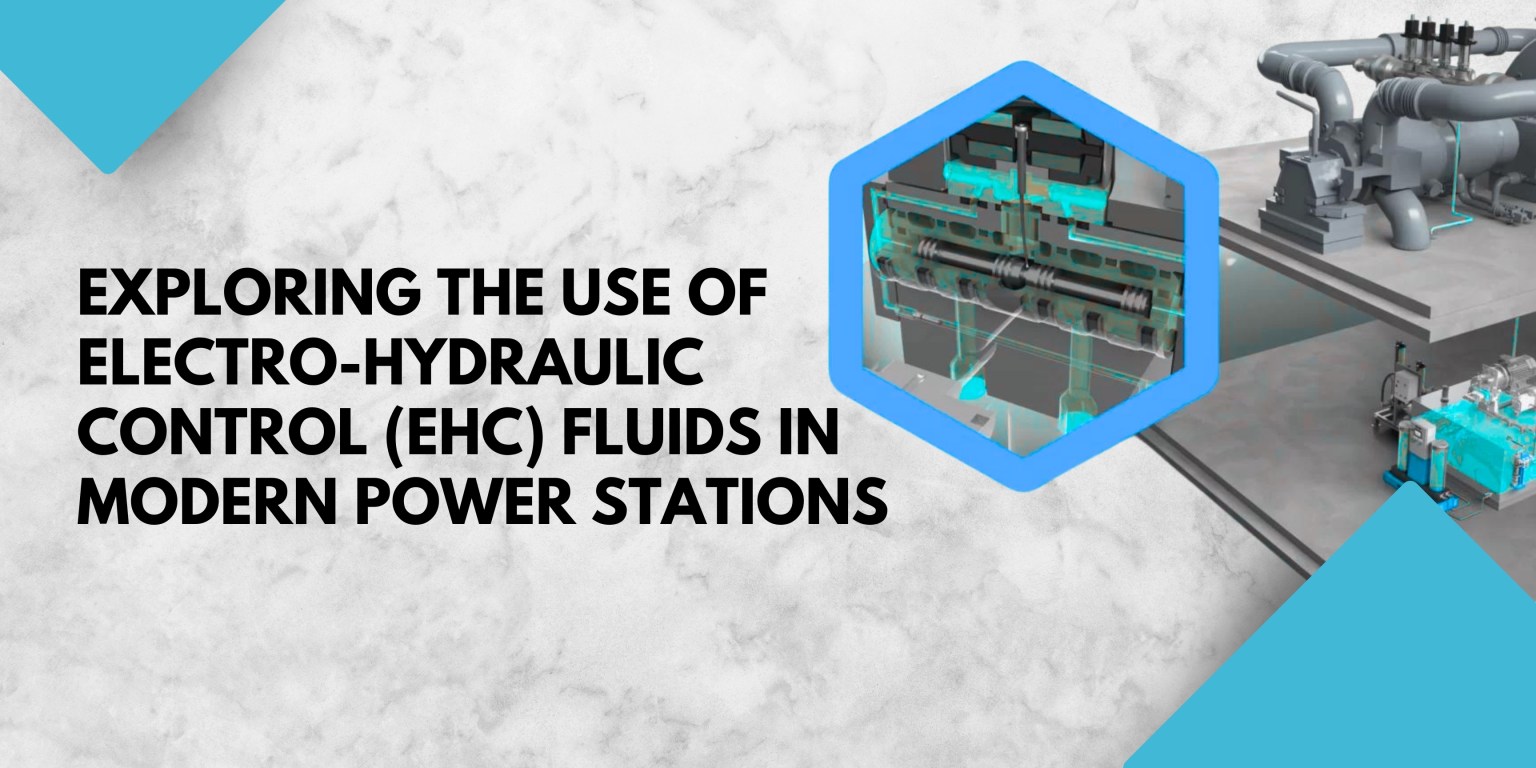
Exploring the Use of Electro-Hydraulic Control (EHC) Fluids in Modern Power Stations

Exploring the Use of Electro-Hydraulic Control (EHC) Fluids in Modern Power Stations

Electro-Hydraulic Control (EHC) Fluids in Modern Power Stations

In the world of modern power stations, precision, and control are not just requirements but necessities. This has brought Electrohydraulic Control (EHC) systems to the forefront, particularly EHC fluids, which are vital chemicals in the specialty chemicals industry. This blog post by ATTS Inc. examines their critical role and impact, complemented by essential data and debunked myths.

The Crucial Role of EHC Fluids

EHC fluids are designed to meet the exacting demands of power generation. Employed within electro-hydraulic control units and valves, these fluids ensure the precise operation of machinery, which is crucial for effective power station management. Their specialized formulations maintain optimal hydraulic pressure and flow, ensuring system responsiveness and reliability. Additionally, these fluids are critical in reducing the risk of system failures due to their high-performance lubrication properties, making them indispensable in power station operations.

Myth V/S Fact About EHC Fluids

Myth V/S Fact About EHC Fluids

Environmental and Industry Impact

The specialty chemicals industry, led by companies like ATTS Inc., has been pivotal in evolving EHC fluid technology. Innovations aimed at reducing environmental impact while enhancing efficiency are becoming standard. This progress is integral to meeting the stringent environmental standards imposed on the power generation sector today.

Here's a graph table layout based on the advancements in EHC fluid technology over the past decade:

This line chart shows a steady increase in the use of biodegradable materials and a corresponding reduction in harmful chemicals in EHC fluids from 2010 to 2020, demonstrating a significant trend towards more environmentally friendly formulations.

Challenges and Advancements

Handling and environmental impact are among the challenges faced when using specialty chemicals like EHC fluids. The industry’s response has been to innovate with biodegradable and less toxic alternatives, which are gradually taking hold. These sustainable solutions are critical as they help align industry practices with global environmental protection standards.

Future Directions

The specialty chemicals industry continues to advance, driven by the need for more efficient and environmentally friendly solutions. Ongoing research is likely to yield even more effective EHC fluids, underlining their importance in energy production.


In conclusion, the use of EHC fluids in power stations, as demonstrated by ATTS Inc., is a prime example of how specialized chemical solutions can significantly enhance the efficiency and environmental footprint of energy generation. Their continued evolution promises even greater achievements in power station technology and operational excellence.

Frequently Asked Questions:

What is electro-hydraulic fluid?
Electro-hydraulic fluid is a specialized hydraulic fluid designed for use in electro-hydraulic control systems. It enhances system performance by providing stable, reliable hydraulic pressure and flow, which is crucial for precise machinery operations.

What is electro-hydraulic control?
Electro-hydraulic control refers to systems that combine electrical and hydraulic mechanisms to operate machinery. These systems allow for precise control over hydraulic actuators, improving accuracy and responsiveness in applications like power generation and manufacturing.

What are the advantages of electro-hydraulics?
Advantages of electro-hydraulics include high precision, enhanced control, and greater flexibility in operation. These systems can be finely tuned to specific tasks, making them ideal for complex industrial applications requiring meticulous movement and force management.


What are specialty chemicals?
Specialty chemicals are chemical products that provide a wide range of effects on which many industries depend. They are typically formulated for specific functions in manufacturing processes, including additives for plastics and coatings or ingredients in complex chemical reactions.

How do electro hydraulic systems impact energy efficiency?
Electrohydraulic systems can significantly impact energy efficiency by reducing the amount of energy needed to perform tasks. They achieve this through more precise control of machinery, minimizing wastage, and optimizing performance, thereby lowering energy consumption in industrial settings.

التصنيفات
المدونة

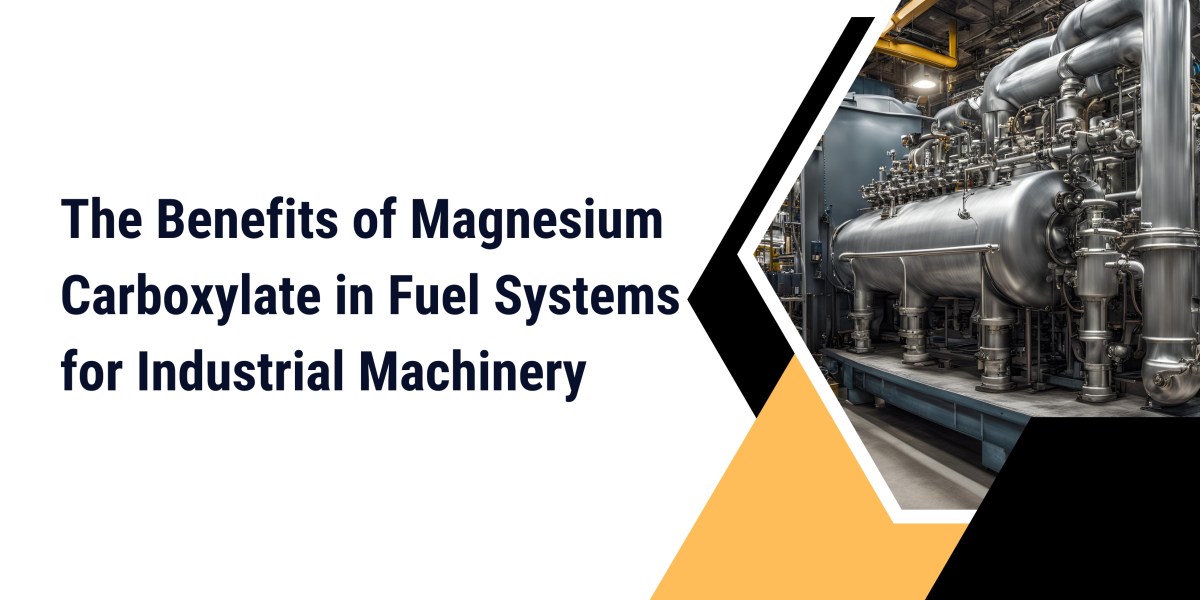
The Benefits of Magnesium Carboxylate in Fuel Systems for Industrial Machinery

The Benefits of Magnesium Carboxylate in Fuel Systems for Industrial Machinery

Magnesium Carboxylate in Fuel Systems for Industrial Machinery

Magnesium carboxylate is becoming a game-changer in the maintenance of industrial machinery, particularly in enhancing fuel systems. Its unique chemical properties make it an ideal choice for protecting engines from corrosion while improving overall efficiency. Here’s an in-depth look at how this additive is revolutionising industrial fuel systems. ATTS Inc. is at the forefront of this innovation, providing advanced solutions that cater to a range of industrial applications.

Table 1: Comparison of Fuel Additive Efficacy

Additive TypeCorrosion InhibitionEfficiency ImprovementCost-effectivenes
Magnesium CarboxylateHighHighHigh
Traditional AdditivesModerateModerateLow


Enhanced Corrosion Protection

Magnesium carboxylate forms a protective layer on metal surfaces within the engine, shielding them from the harsh elements found in fuels that can lead to corrosion. This layer is crucial for extending the life of machinery that operates in demanding industrial environments.

fact related to magnesium carboxylate Boost in Fuel Efficiency

Using magnesium carboxylate in fuel systems not only protects the engine but also optimizes fuel combustion. This leads to a more efficient use of fuel, reducing wastage and lowering operational costs over time.

Data Point: Implementation of magnesium carboxylate has been shown to improve fuel efficiency by up to 5% across various types of industrial machinery.

Environmental Impact

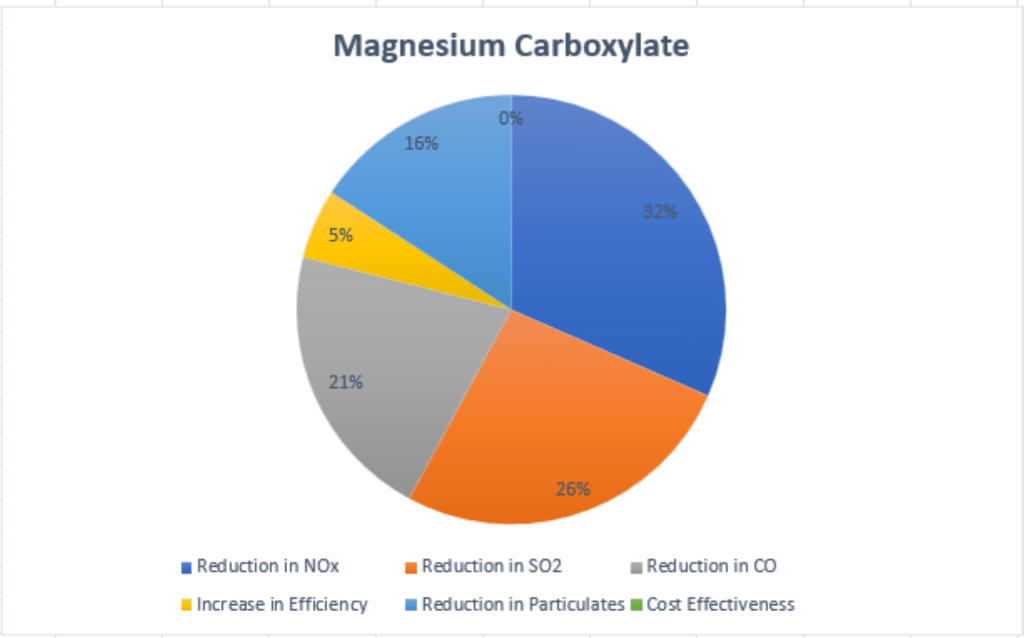
Magnesium carboxylate also plays a significant role in reducing harmful emissions. By promoting cleaner combustion, it decreases the release of pollutants like nitrogen oxides and sulfur dioxide into the atmosphere.

Emission Reduction Statisticspie chart related to Emission Reduction of Magnesium carboxylate

Additional Benefits 

  • Improved Operational Stability: Stabilizes fuel properties under varying environmental conditions.
  • Compatibility with Various Fuels: Effective across a broad range of fuel types, including diesel and biodiesel.
  • Ease of Integration: Can be easily integrated into existing fuel systems without the need for major modifications.
  • Support for Sustainability Goals: Helps companies meet sustainability targets by reducing carbon footprints.

Conclusion
The incorporation of magnesium carboxylate into fuel systems is an essential step towards maintaining the efficiency and longevity of industrial machinery. Its benefits extend beyond just operational improvements; they also contribute significantly to environmental protection. As industries continue to seek sustainable and cost-effective solutions, magnesium carboxylate stands out as a superior choice for fuel additives. 

Frequently Asked Questions:

What are the benefits of fuel additives?
Fuel additives enhance engine performance by improving fuel efficiency, reducing emissions, and preventing buildup that can lead to engine damage. They help maintain cleaner engine components for longer-lasting functionality.

Do fuel additives reduce fuel consumption?
Yes, fuel additives can reduce fuel consumption by improving the efficiency of the combustion process. This allows the engine to extract more energy from the same amount of fuel.

Is magnesium a fuel source?
No, magnesium is not a fuel source. It is used in fuel additives to improve the quality and performance of the fuel by acting as a corrosion inhibitor and stabilizer.

How do fuel additives affect engine life?
Fuel additives can significantly extend engine life by preventing the internal buildup of harmful deposits and reducing wear and tear on engine components.

Are fuel additives safe for all types of engines?
Most fuel additives are safe for use in various engine types, but it’s important to choose additives that are specifically formulated for the type of fuel and engine you are using to avoid potential adverse effects.

Explore the full range of benefits ATTS Inc. fuel additives can offer for your machinery. Contact us today to find the best solutions tailored to your needs!