Air filtration plays a crucial role in maintaining the stability, efficiency, and protection of industrial machinery and power plant operations from harmful contaminants. Every machine—whether it’s a gas turbine, compressor, HVAC unit, or generator—needs clean air to function at its best. But not all environments are the same, so no single air filter works for every application.
Different industries face various challenges, including dust storms, humidity, coastal salt, chemical vapours, soot, and industrial pollutants. To address these conditions effectively, engineers must choose the right filtration system that can protect equipment while supporting optimal airflow and efficiency.
This article explores the main types of air filters used in power plants and industrial facilities, helping you understand how each type supports performance and helps prevent the issues discussed in guides like What Air Filters Do and How They Work and Common Problems Caused by Dirty or Clogged Air Filters.
Power plants and industrial systems inhale thousands of cubic meters of air every hour. Without proper filtration, even small particles can cause erosion, fouling, pressure drop, and reduced machine efficiency. Each filter type is built to target specific contaminants and environmental challenges.
At ATTS Inc, we provide engineered filtration solutions that meet these real-world demands, ensuring machinery receives the clean, stable airflow required for long-term performance.
Pre-filters are the first line of defence in most industrial air intake systems. Their main purpose is to capture large, visible particles such as:
Why They Matter
These filters are essential because they prevent downstream filters from clogging prematurely. By reducing the load on fine filters, pre-filters help maintain proper airflow and extend system life.
Used In:
Pre-filters work best when paired with more advanced filtration stages.
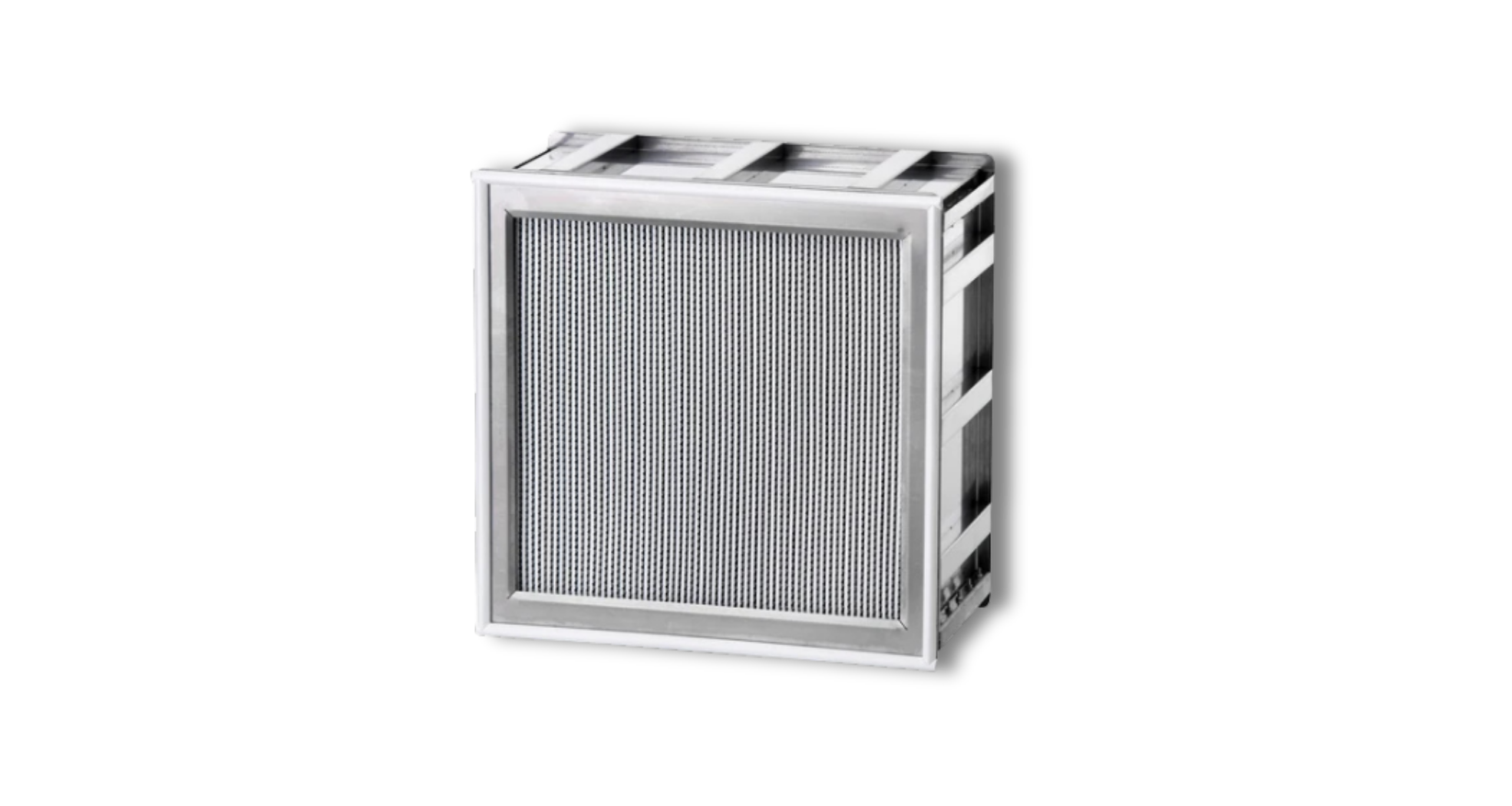
Fine filters remove microscopic particles that pre-filters cannot capture. These contaminants include soot, micro-dust, exhaust residue, industrial particulates, and other airborne pollutants.
EPA Filters
EPA (Efficient Particulate Air) filters offer high efficiency with balanced airflow resistance, making them suitable for most power generation and industrial applications.
HEPA Filters
HEPA filters provide an even higher level of filtration, capturing up to 99.97% of particles as small as 0.3 microns. These are used when maximum air cleanliness is required.
Used In:
Fine filters are crucial in preventing compressor fouling, which is one of the primary causes of reduced turbine efficiency.
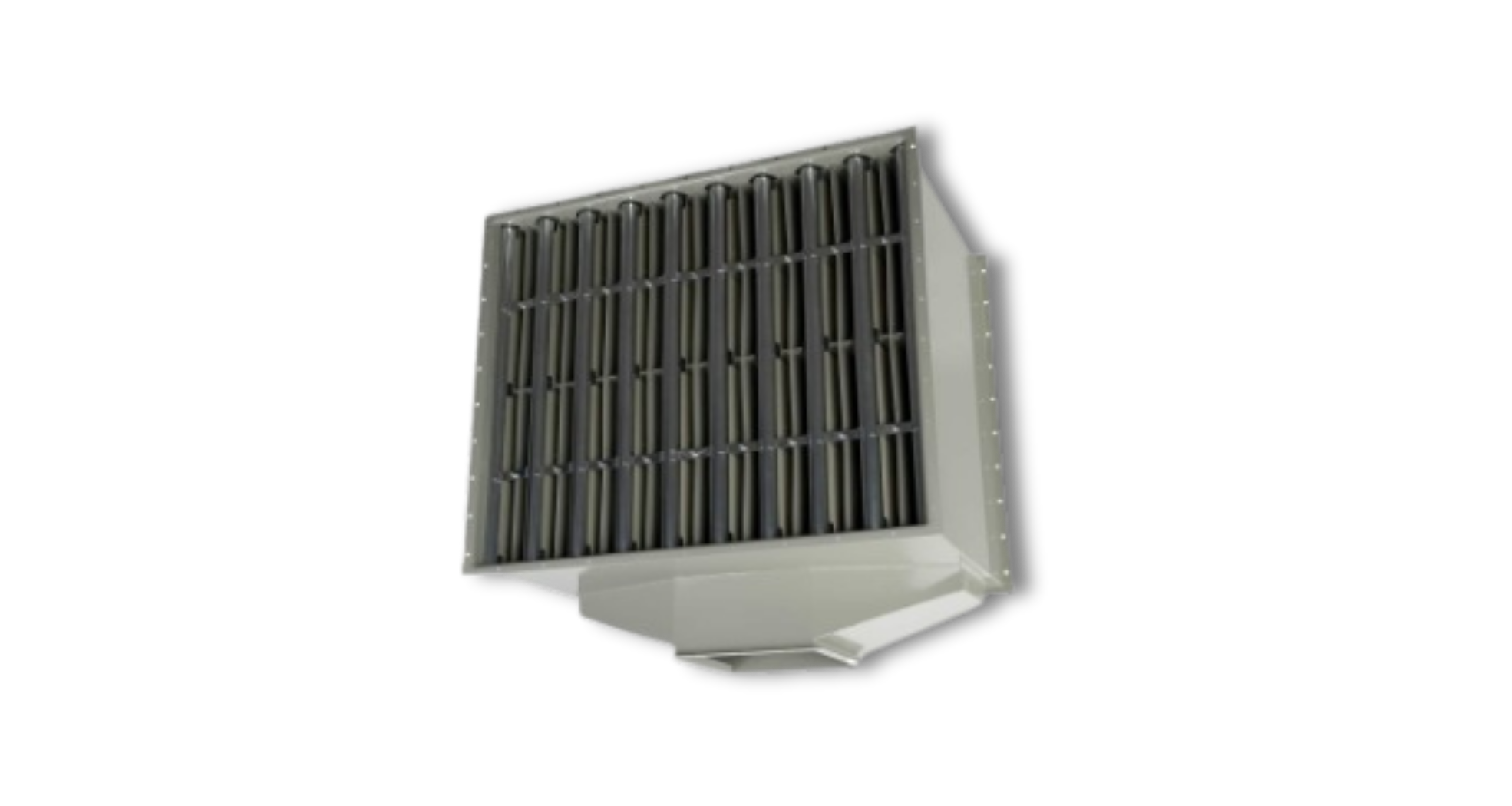
Inertial Filters for Harsh Environments
In environments with heavy dust, sand, or airborne particulates, inertial filters are often the most effective solution for maintaining optimal airflow and performance.
How They Work
Inertial filters operate based on the principle of inertial separation. As air laden with dust enters the filter, most of the air changes direction through the vanes, while the dust, due to its higher mass and inertia, continues in a straight path. This results in the separation of the dust particles from the airflow. The separated dust is then expelled through a bleed air outlet, while the cleaner air is directed through to the system. This process ensures continuous, efficient filtration without requiring frequent manual cleaning, as the system self-cleans through airflow management.
Benefits
Used In
In challenging environments with high particulate contamination, inertial filters offer a reliable solution, allowing machines and systems to operate efficiently while minimizing maintenance intervals.

Some industrial environments expose air filters to extreme heat. Regular filter materials cannot withstand such conditions, which is why high-temperature filters are engineered for:
These filters maintain their structure and filtration capacity even at elevated temperatures, enabling machinery to operate safely without compromising filter integrity.
Carbon filters play a crucial role in environments where gases, odours, or corrosive vapours are a concern. They absorb harmful molecules that mechanical filters cannot remove.
These filters help prevent corrosion in sensitive electronics, control rooms, turbine components, and instrumentation.
Moisture is an invisible but serious threat to industrial equipment. Coalescing filters remove:
Used In:
By ensuring dry airflow, coalescing filters protect equipment from rust, corrosion, and reduced performance.
Choosing the correct air filter depends on several factors:
This is why many operators partner with filtration specialists like ATTS Inc., which designs solutions tailored to plant conditions and machine requirements.
Understanding filter types also helps operators avoid many of the issues described in Common Problems Caused by Dirty or Clogged Air Filters, reinforcing the importance of proper filter selection and timely maintenance.