
Gas turbine generators are widely used in power plants worldwide because they are fast, flexible, and efficient sources of electricity. But how exactly do they turn fuel into electrical power? In this clear and beginner-friendly guide, we’ll break down the gas turbine working principle, the Brayton cycle, and how the turbine connects to the generator to deliver reliable power to the grid.
If you are new to gas turbines, this is the best place to start — and you can always refer to our main pillar page here:
→ Gas Turbines for Power Generation: Complete Beginner-Friendly Guide
ATTS Inc., a trusted global provider of gas turbine parts and engineering support for power plants, uses this technology to help industries maintain reliable and efficient electricity generation.
A gas turbine generator is a system that produces electricity using high-temperature, high-pressure gases. It combines two major components:
This technology is widely used in:
Compared to steam plants, gas turbines offer:
Many clients supported by ATTS Inc. choose gas turbine power systems because they deliver rapid response and steady performance during high energy demand.
Gas turbines operate on the Brayton Cycle — a continuous thermodynamic process where air is compressed, heated, and expanded to create rotational force.
This process repeats continuously, allowing high power output in a short time.
| Stage | What Happens | Component |
| Compression | Air pressure increases | Compressor |
| Combustion | Fuel burns and releases heat | Combustor |
| Expansion | Hot gas rotates turbine blades | Turbine section |
As long as air + fuel + spark are available, the turbine continues generating power without interruption.
Electricity is created in the generator, not the turbine itself.
Here’s how it works:
In simple words:
Motion → Magnetic Field → Electricity
This principle is known as electromagnetic induction.
On extremely hot afternoons, when millions switch on air-conditioning systems, utilities may struggle to maintain the power supply. Gas turbines provide the perfect solution because:
For this reason, many power plants — including those supported by ATTS Inc. — depend on gas turbines in emergency and peak demand situations.
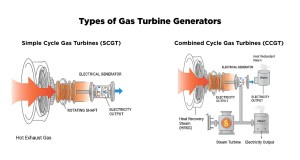
For a deeper look at turbine components:
→ Gas Turbine Parts & Their Functions
| Factor | Impact |
| Clean intake air | Prevents compressor fouling |
| Fuel purity | Improves combustion & lowers emissions |
| Routine maintenance | Reduces performance losses |
| High firing temperature | Higher efficiency output |
Modern turbines use special alloys and cooling channels to survive extreme thermal loads.
Learn more about parts and replacement needs:
→ Types of Gas Turbine Parts Used in Power Plants & Their Replacement Needs
Gas turbines are high-value assets with thousands of precision parts. To ensure reliable operations, plants regularly perform:
Maintenance benefits include:
See the full maintenance overview:
→ Gas Turbine Parts & Maintenance Services for Power Plants
ATTS Inc. supports power plants with inspection, overhaul assistance, filtration services, and quality parts to keep turbines running at peak performance.
These advantages make gas turbines vital as nations shift toward cleaner and more reliable power solutions.
A gas turbine generator transforms fuel into electricity through the efficient process of air compression, combustion, and expansion. This powerful technology supports national grids, industrial operations, and emergency power needs.
For spare parts support, filtration upgrades, or maintenance expertise, ATTS Inc. is a reliable global partner helping power plants improve turbine performance and reduce operational downtime.