Gas Turbine Maintenance: Common Issues Technicians Face
Gas turbines don’t usually fail dramatically. There’s no explosion, no warning siren. More often, it’s a gradual slide — a…


Gas turbines don’t usually fail dramatically. There’s no explosion, no warning siren. More often, it’s a gradual slide — a…
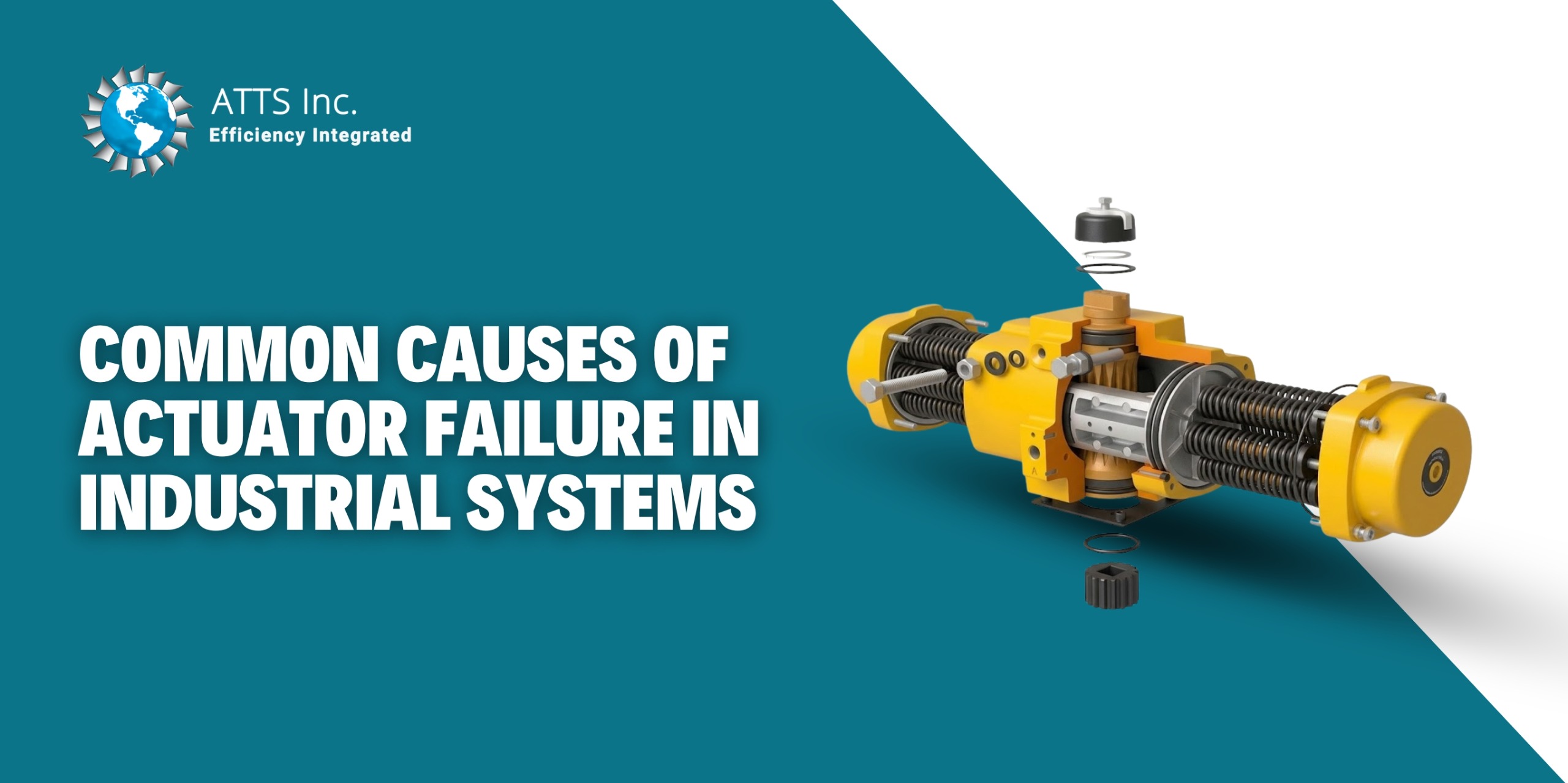
Actuators are essential components in modern industrial systems, helping control valves, dampers, and mechanical devices used in automated processes. Industries…

In modern power generation systems, turbines must operate with extreme precision, stability, and safety. Even small fluctuations in speed or…

Power plants operate in high-pressure, high-temperature, and mission-critical environments. Even minor equipment failure can lead to costly downtime, safety risks,…
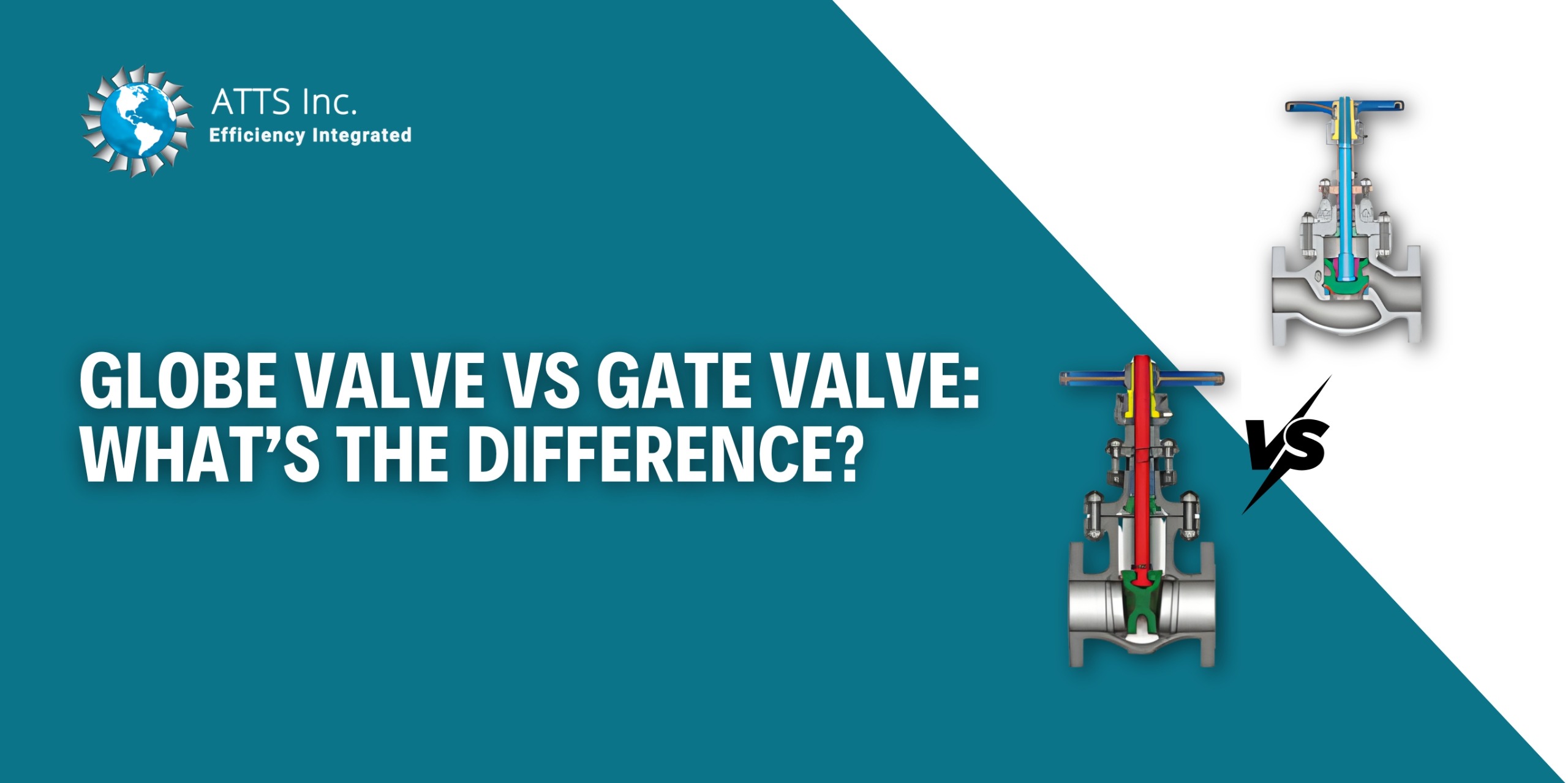
In industrial systems such as power plants, oil & gas facilities, refineries, and heavy manufacturing units, selecting the correct valve…
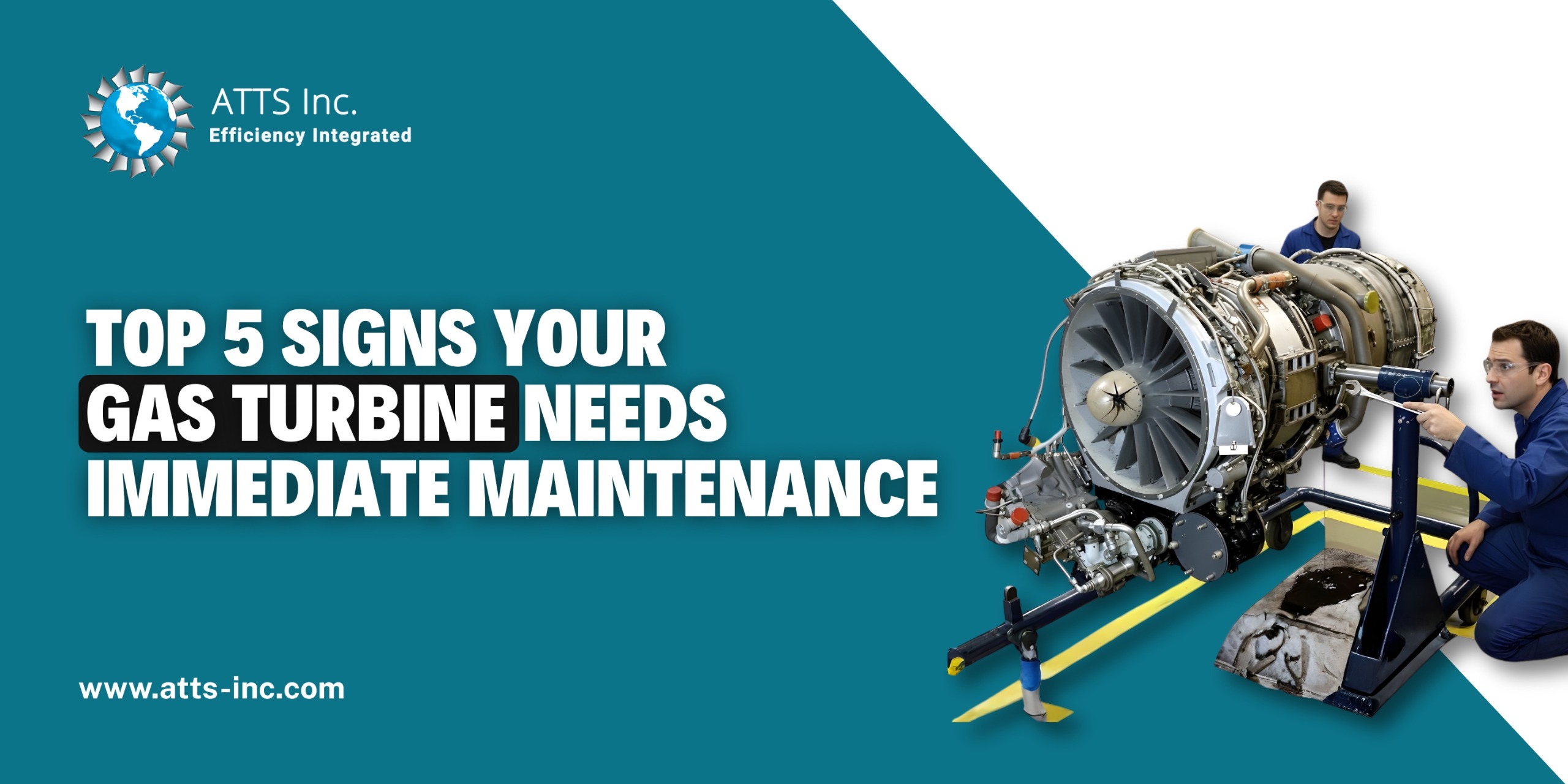
Gas turbines are critical assets in power generation and industrial operations. Operating under extreme temperatures, pressures, and rotational speeds, even…
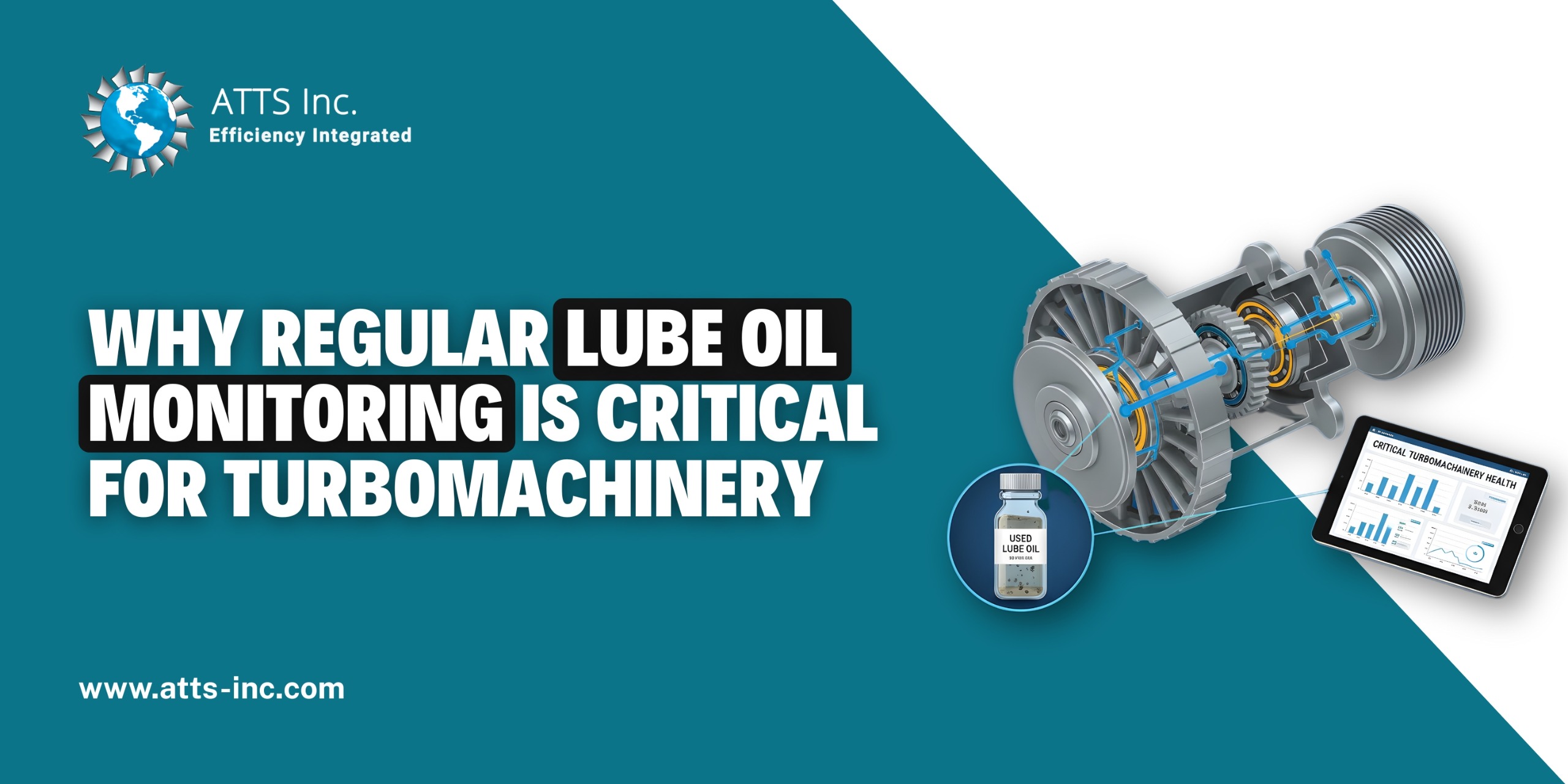
Turbomachinery, such as gas turbines, steam turbines, compressors, and high-speed pumps, operates under extreme temperatures, loads, and rotational speeds. In these…
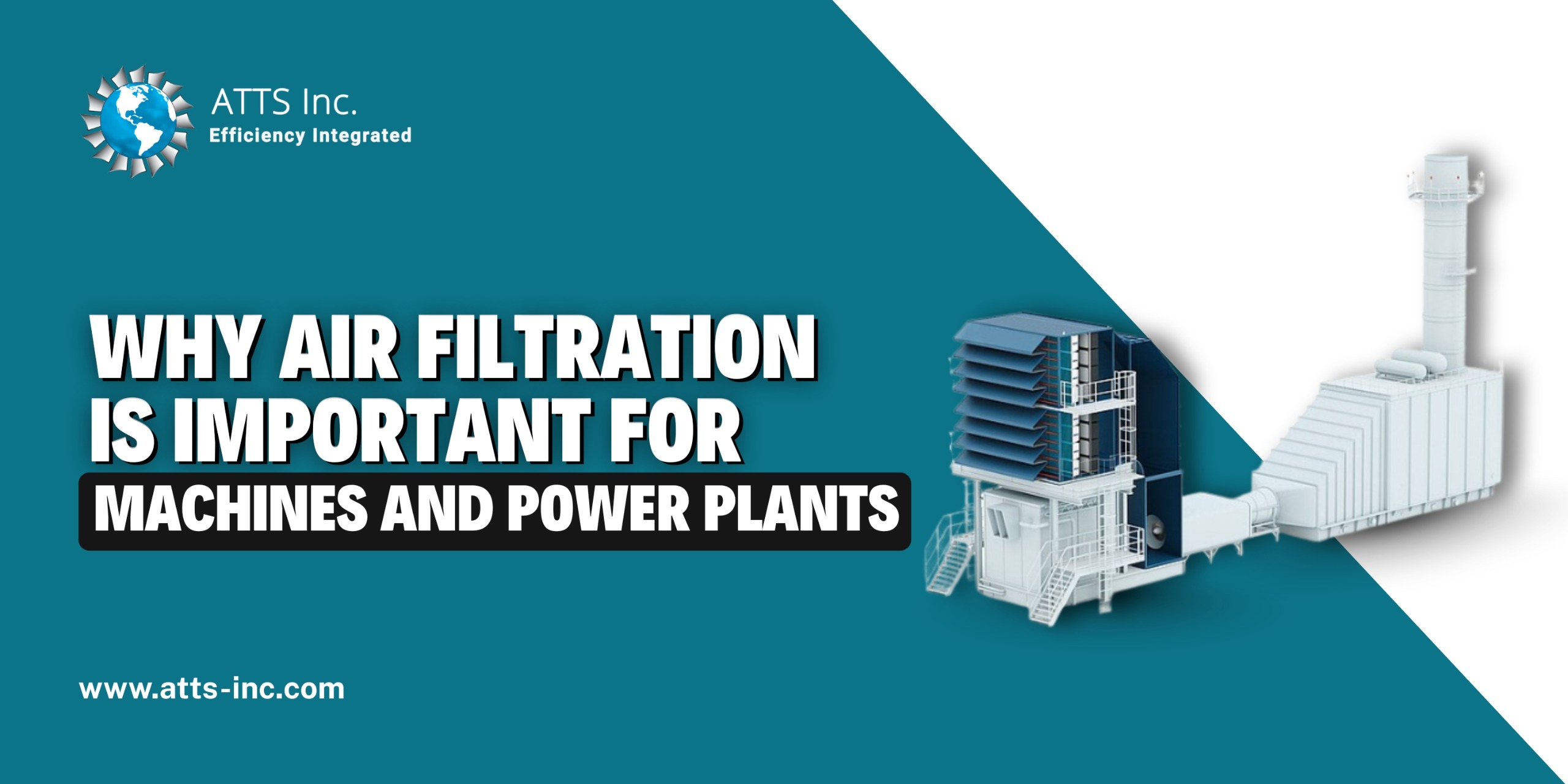
Clean air is one of the most valuable—and most underestimated—resources in industrial environments. Whether operating gas turbines, compressors, generators, HVAC…

Air filtration plays a crucial role in maintaining the stability, efficiency, and protection of industrial machinery and power plant operations…

Turbines are the driving force behind modern power generation, converting fuel or steam into mechanical energy that powers electricity-generating turbines.…

Industrial machinery is the backbone of numerous sectors, including power generation, oil & gas, pharmaceuticals, and various manufacturing. For machinery…

In the world of modern power stations, precision, and control are not just requirements but necessities. This has brought Electrohydraulic…
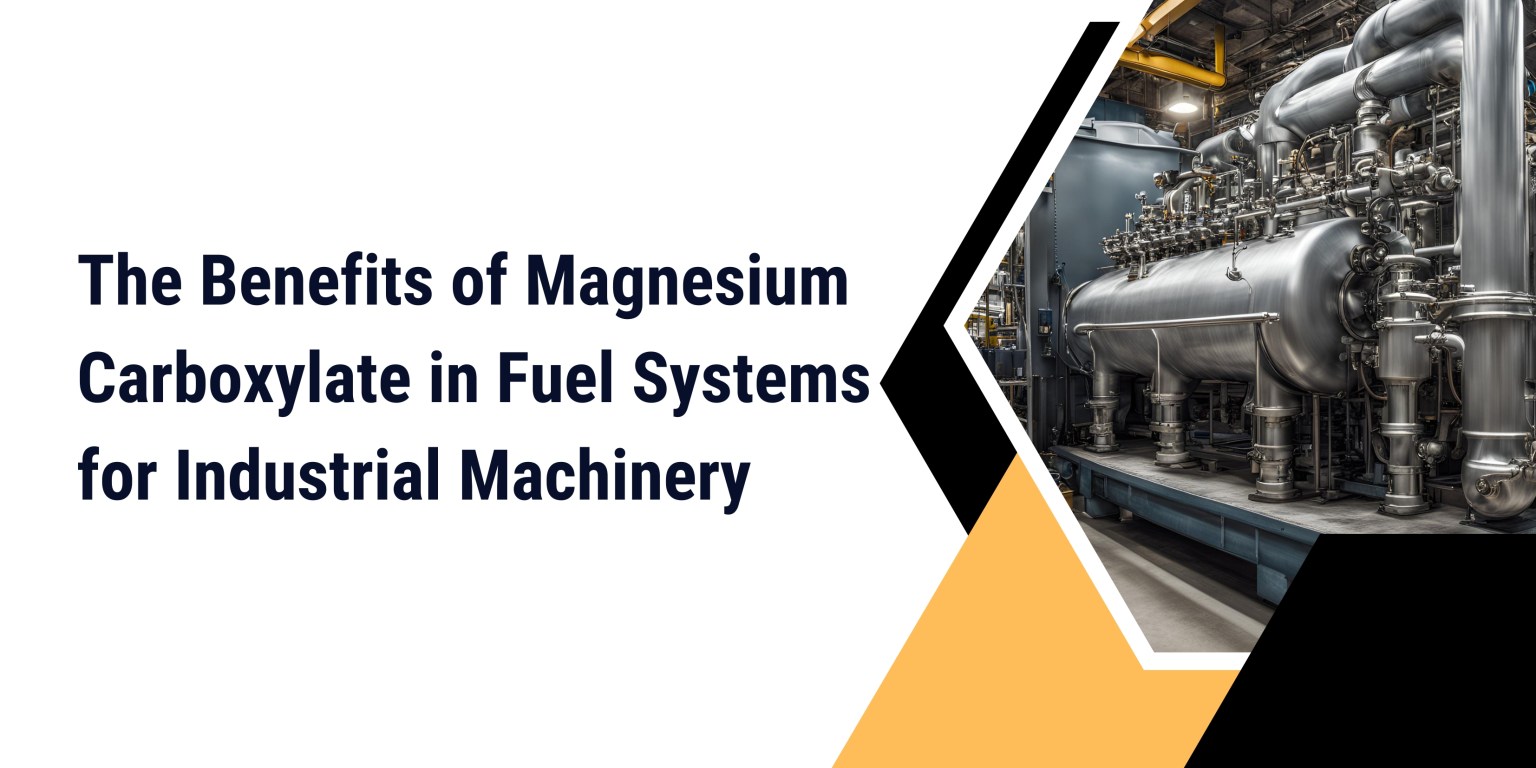
Magnesium carboxylate is becoming a game-changer in the maintenance of industrial machinery, particularly in enhancing fuel systems. Its unique chemical…

Air filtration is one of the most important—and most overlooked—parts of maintaining industrial machinery and power plant equipment. When air…
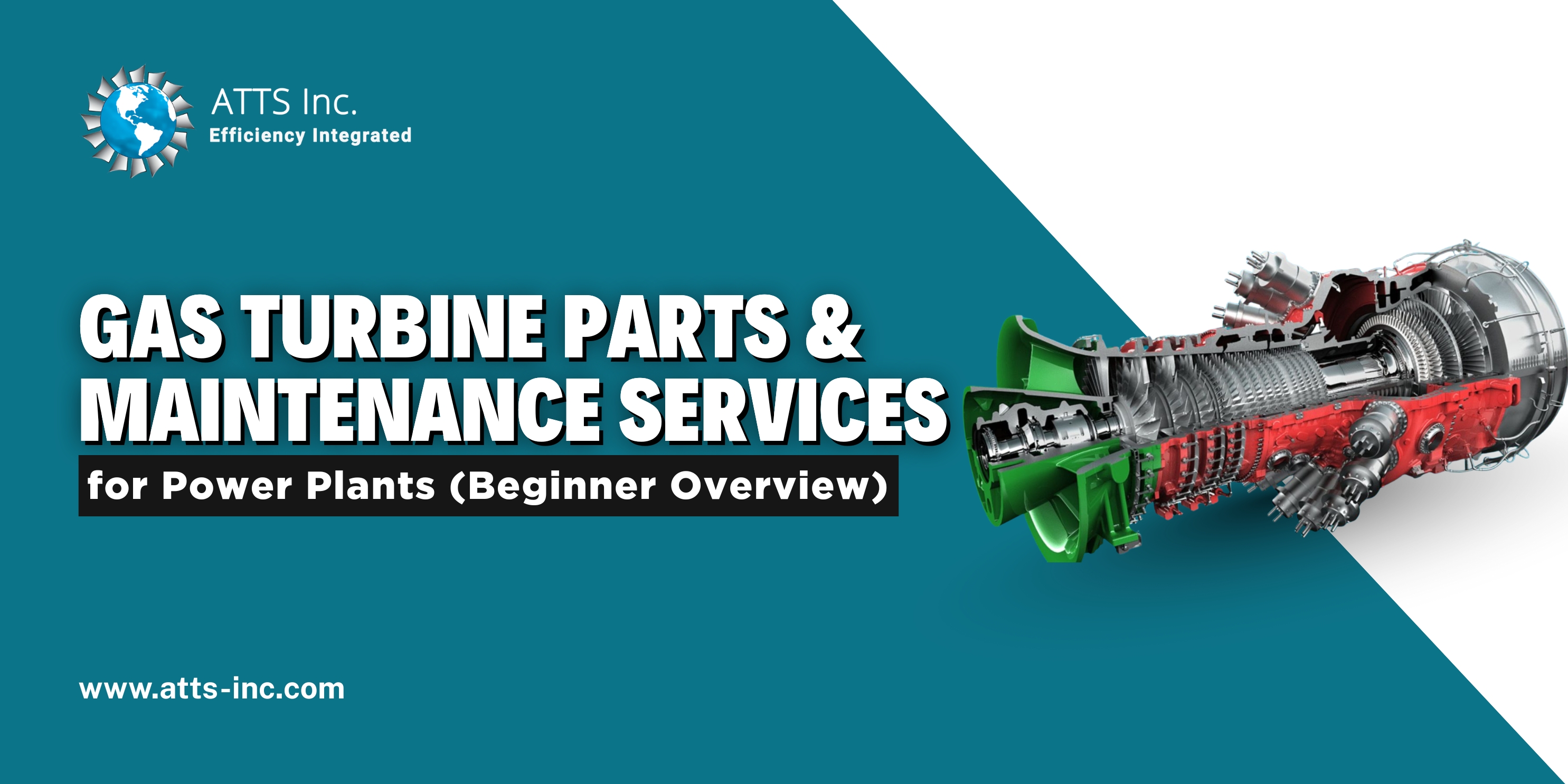
Gas turbines are mission-critical assets in power plants. They generate large amounts of electricity with high efficiency, especially when fueled…

Gas turbines supply reliable electricity to power plants, industries, and critical facilities. Each component inside a gas turbine plays a…

Gas turbines play a central role in modern electricity production, supporting everything from national grids to industrial power systems. Their…
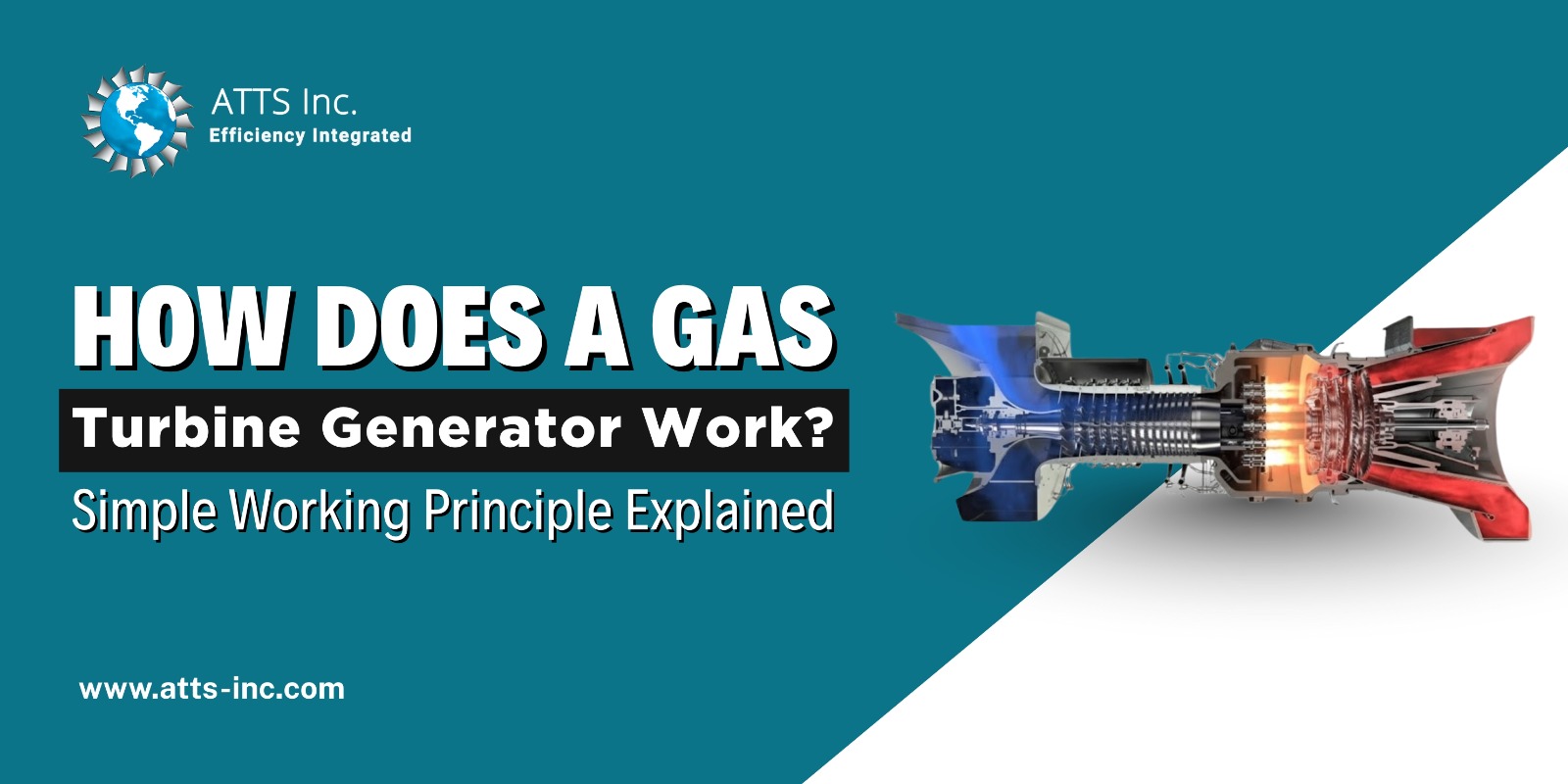
Gas turbine generators are widely used in power plants worldwide because they are fast, flexible, and efficient sources of electricity.…

Gas turbines operate in extremely demanding temperature and pressure conditions. Over time, various components naturally wear out and need replacement…

Air filtration plays a crucial role in protecting industrial machines, turbines, compressors, and power plants from contamination. While air filters…

Industrial HVAC systems are the backbone of temperature control, air quality, and equipment reliability in power plants and large facilities. However, like…